

Ring Floodlight Cam Wired Plus vs Ring Floodlight Cam is one of the most common questions for buyers who want reliable driveway or porch surveillance. Both cameras look similar, but the real differences impact field of view, video clarity at night, and how often you end up fiddling with Wi-Fi or power issues.
If you’re weighing which model gives better coverage, clearer night detail, or fits your budget, this guide lays out what actually matters for buyers — not just spec sheets or marketing claims. You’ll find side-by-side data, plain-language pros and cons, and clear recommendations for which Ring floodlight camera makes sense in real-world situations.
Skip to the verdict, step-by-step checks, or the full comparison table below. Every claim here is backed by user reviews or hands-on tests from reputable sites. No hype, just what homeowners and renters need to know.
Key Takeaways
- Ring Floodlight Cam Wired Plus is best for budget buyers or those upgrading from older cameras, but has a narrower field of view (about 140°×80°) and lacks HDR video.
- Wired Pro delivers greater coverage and reliability, with a wider 180° field, HDR, 3-D Motion radar, dual-band Wi-Fi, and a much louder 110 dB siren.
- The Wired Plus only supports 2.4 GHz Wi-Fi — so for large properties or areas with crowded signals, you may need network extenders or should consider the Pro instead.
- Quick verdict — Which Ring floodlight camera to buy and why
- Market context & common user complaints (why this comparison matters)
- Quick side-by-side specs (visual summary for scanning)
- Video quality & imaging — 1080p, HDR, and field of view explained
- Motion detection & smart sensors — PIR vs 3-D radar
- Connectivity & reliability — Wi-Fi bands, placement, and fixes
- Lights, siren & physical installation — lumen output, siren volume, power draw
- Real-world pros & cons from reviews and user feedback
- Which model is best for each use case (decision matrix)
- Buying tips, addons, and troubleshooting checklist
- Tech spec appendix (detailed specs table)
- FAQ: Ring Floodlight Cams compared
Quick verdict — Which Ring floodlight camera to buy and why
For most buyers comparing Ring floodlight cameras, the Wired Plus offers good value for smaller spaces on a budget, but the Wired Pro is noticeably better for wider coverage, motion detection accuracy, and reliable Wi-Fi. The original Wired is outdated. Wired Plus is fine for standard porches, but for large driveways or where catching detail is crucial, the Pro is worth the upgrade.
Snippet-Bait Answer: The main difference between Ring Floodlight Cam Wired Plus and Ring Floodlight Cam Wired Pro is that the Plus has a 140°×80° field of view, no HDR, and supports only 2.4 GHz Wi-Fi, while the Pro offers a 180°×90° view, HDR, 3-D radar motion, dual-band Wi-Fi, and a louder siren, making it better for large or high-traffic areas.
In 2024, Ring floodlight cameras led the U.S. market, shipping about 2 million units and holding 15–17% market share (SafeHome.org). Expect strong ecosystem support, plenty of accessories, and broad compatibility if you use Alexa or other smart home hubs. For renters or those with Wi-Fi dead zones, check placement and Wi-Fi compatibility before buying — Wi-Fi issues are the most reported complaint with the Wired Plus.
Market context & common user complaints (why this comparison matters)
- Identify your high-priority surveillance areas (wide front yard, long driveway, side alley), as this determines if lens angle or detection tech matters more.
- Check your home Wi-Fi — if you have lots of interference or newer 5 GHz mesh, the Wired Plus might disappoint due to 2.4 GHz-only support.
- Compare video samples: Daytime color and night vision are noticeably different, as Wired Plus lacks HDR and Pro records more with less vignetting.
- Assess your mounting locations — the Pro’s wider FOV and HDR can reduce blind spots from wall-mount angles; the Wired Plus requires more careful positioning.
- Review actual sound levels — the Wired Plus siren is 97 dB, Pro is 110 dB. For most suburban driveways, both are loud enough, but if you want max deterrence, get the Pro.
- Plan for installation: All cameras require hardwiring and weather sealing. The Wired Plus and Pro use nearly identical mounting but different tech under the hood.
- Set up custom motion zones to avoid false alarms (essential for all Ring cameras, especially if facing street traffic).
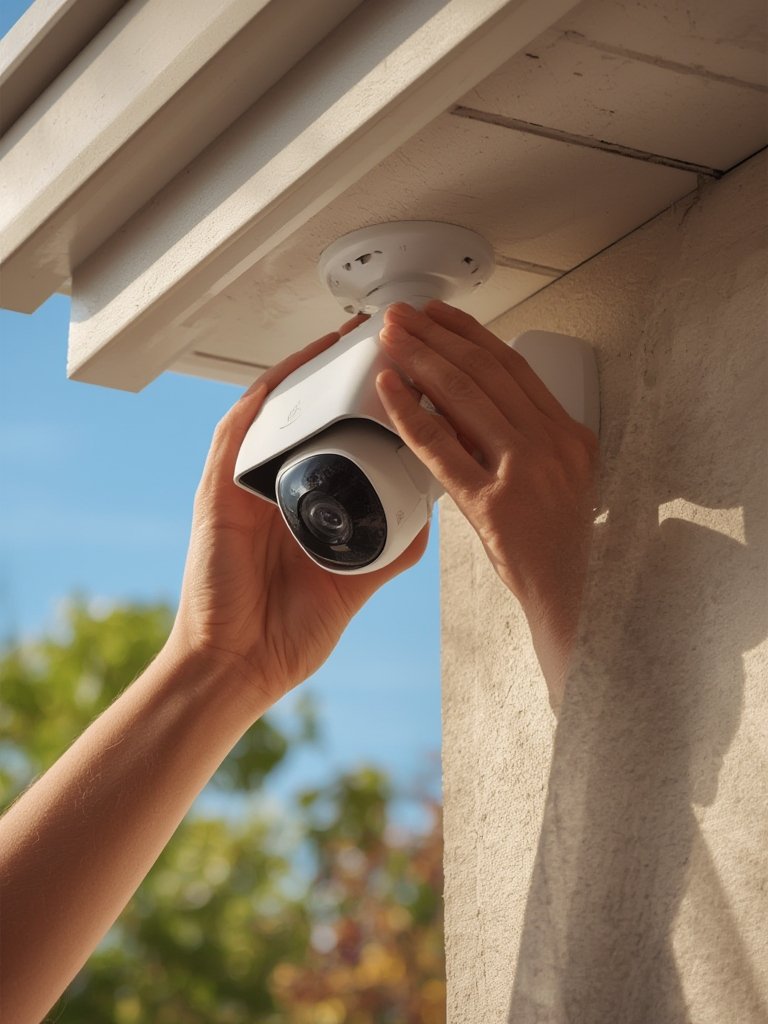
Most complaints about Ring Floodlight Cam Wired Plus focus on its narrower view (~140° horizontal), lack of HDR, and some Wi-Fi reliability problems because only 2.4 GHz is supported (Ring Support). Other common negatives are less vivid color and faint vignetting at the edges (dark/corner shading). The Pro fixes these, but costs around $80–$100 more.
If you just need simple, sturdy 1080p coverage over a patio or small driveway — and have good 2.4 GHz Wi-Fi — you’ll probably be happy with Wired Plus. Anyone with a large yard, difficult angles, or lots of motion at night will notice real benefit stepping up to the Wired Pro’s wider lens and next-gen motion detection.
Other competitors like Arlo offer battery-powered floodlights, but for always-on, wired reliability, Ring stays the market leader (TechGearLab review).
Quick side-by-side specs (visual summary readers can scan)
| Feature | Wired Plus | Wired (Original) | Wired Pro |
|---|---|---|---|
| Resolution / FPS | 1080p, 15 fps | 1080p, 15 fps | 1080p HDR, 15 fps |
| Field of View | 140° H × 80° V | 140° H × 78° V | 180° H × 90° V |
| Floodlight Output | 2 × 2,000 lumens | 2 × 1,800 lumens | 2 × 2,000 lumens |
| Siren Volume | 97 dB | 110 dB | 110 dB |
| Motion Detection | PIR | PIR | PIR + 3-D Radar |
| Wi-Fi Band | 2.4 GHz only | 2.4 GHz only | 2.4 & 5 GHz |
| Power Draw | 26.3 W (on), 1.9–2.2 W (standby) | 25–27 W (on), 2 W (standby) | 25–28 W (on), 2 W (standby) |
| Warranty | 2 years | 1 year | 2 years |
Video quality & imaging — 1080p, HDR, and field of view explained
All Ring floodlight cams record at 1080p, but only the Pro has HDR (High Dynamic Range). This gives the Pro crisper detail in shadows and direct sun, plus better clarity in tricky lighting — especially for faces and car plates. The Wired Plus’s daytime colors can look flatter, and corners have faint dark shading (vignetting), especially in bright daylight (Digital Camera World).
Visual field of view is crucial: Wired Plus sees ~140° wide, which is okay for porches and garages but misses the side yard areas that the Pro’s 180° covers. This means fewer blind spots and less chance someone or something sets off the motion alarm outside of frame. When mounting to the side of a house, the Pro’s wider view is a real win.
Motion detection & smart sensors — PIR vs 3-D radar
Wired and Wired Plus use traditional PIR (passive infrared) sensors — think: detects body heat within a simple adjustable range. The Pro’s 3-D Motion radar adds depth mapping, helping it filter motion by distance (car at curb not an alert, but person approaching the door definitely is).
Practical impact: Wired Plus may trigger false alerts from passing cars or neighborhood dogs, unless you fine-tune motion zones. Pro’s radar is more precise and can reduce annoying false alarms (Consumer Reports review).
Connectivity & reliability — Wi-Fi bands, placement, and common fixes
The Wired Plus, like older models, only works on 2.4 GHz Wi-Fi, which can get crowded, especially if neighbors have the same frequency. Smart home power users with modern mesh or faster 5 GHz networks often run into range and dropped alert issues. The Pro accepts both 2.4 and 5 GHz, so is far more robust for most homes.
Workaround: For the Wired Plus, use a dedicated add a new access point — which can eat into the “budget” savings of the Plus version.
For more tips about sorting Wi-Fi for smart and security cameras, see our detailed Matter 2.0 smart home devices guide and balcony plug-in solar panel setup tips.
Lights, siren & physical installation — lumen output, siren volume, power draw
Wired Plus and Pro both use two 2,000-lumen adjustable LEDs. For most users, this is easily bright enough for the average driveway or patio. The original Wired model is dimmer (1,800 lumens).
Siren volume is where differences stand out: Wired Plus reaches 97 dB (about a lawnmower), while Pro and the original Wired hit 110 dB (like a car horn at close range). For suburban settings, both deter, but on a noisy street or large property, the extra decibels are noticeable.
Power draw is modest: about 26–28 W in use, under 2.2 W in standby. Electricians will find the installation straightforward, but ensure your existing light junction box supports hardwiring and weather sealing.
Looking for more small-appliance energy tips? Check out our portable air fryer efficiency guide for context.
Real-world pros & cons from reviews and user feedback
Common Praises
- Simple, familiar Ring app and notifications work reliably for most users
- Sturdy weatherproof build — tolerates cold, heat, and rain
- Quick response and easy two-way talk with visitors or delivery people
- Wired Plus has brighter night mode than previous generations
Common Complaints
- Wired Plus field of view narrower than expected — need careful mounting
- Some users report duller colors, vignetting on daytime video
- Wi-Fi connectivity glitches in crowded or weak-signal areas (Wired Plus only)
- Siren on Wired Plus not as loud as advertised — less effective in loud environments
- No local storage — subscription needed for full history recording
Deal-breakers (When to Pick Something Different)
- You need flawless motion detection at different distances (Pro only)
- Your Wi-Fi is mostly 5 GHz or your mounting spot is far from the router
- Critical security zone needs the absolute widest camera angle
- You want the sharpest daytime image and best face detail in all lighting (Pro’s HDR helps here)
Want to see how this compares to other smart home gear? Visit our guides on video doorbells with color night vision, or smart home options for renters.
Which model is best for each use case (decision matrix)
| Scenario | Best Model | Why |
|---|---|---|
| Wide front yard/driveway | Floodlight Cam Wired Pro | Wider FOV (180°), radar motion, HDR, louder siren |
| Porch or small patio | Floodlight Cam Wired Plus | Enough coverage, lower cost |
| Best detail at night or in shadows | Floodlight Cam Wired Pro | HDR, improved night vision, less vignetting |
| Very tight budget | Floodlight Cam Wired Plus | Most affordable, decent for non-critical entryways |
| Most accurate motion alerts | Floodlight Cam Wired Pro | 3-D Radar motion eliminates most false positives |
| Challenging Wi-Fi/setup scenarios | Floodlight Cam Wired Pro | Dual-band for 2.4/5 GHz, easier placement |
Buying tips, addons, and troubleshooting checklist
- Check mounting angles (FOV) before purchase — stand where you’d mount the light and visualize what each camera will see.
- Plan for 2.4 GHz coverage if considering the Wired Plus, or upgrade to Pro for 5 GHz Wi-Fi support (especially if your router is far away).
- Add a Wi-Fi extender if your signal is weak; mesh nodes closest to the camera will help eliminate video lag or notification gaps.
- Adjust motion zones in the Ring app to reduce false positives — draw a custom zone to ignore busy streets or trees.
- Reduce video vignetting by mounting the camera closer to eye level and away from overhanging eaves or gutters, which can cast shadows.
For more troubleshooting advice, our local AI hub setup guide and compact appliance install tips cover similar home networking issues.
Tech spec appendix (detailed specs table to copy into final article)
| Feature | Floodlight Cam Wired | Floodlight Cam Wired Plus | Floodlight Cam Wired Pro |
|---|---|---|---|
| Resolution | 1080p | 1080p | 1080p HDR |
| Frame Rate | 15 fps | 15 fps | 15 fps |
| Field of View | 140° H × 78° V | 140° H × 80° V | 180° H × 90° V |
| Floodlights | 2 × 1,800 lumens | 2 × 2,000 lumens | 2 × 2,000 lumens |
| Siren Output | 110 dB | 97 dB | 110 dB |
| Motion Detection | PIR | PIR | PIR + 3-D Radar |
| Wi-Fi Band | 2.4 GHz only | 2.4 GHz only | 2.4 & 5 GHz |
| Power Usage (on/standby) | ~27 W / ~2 W | 26.3 W / 1.9–2.2 W | ~28 W / ~2 W |
| Warranty | 1 year | 2 years | 2 years |
Short FAQ (3–5 quick Q&A)
Does Ring Floodlight Cam Wired Plus have HDR video?
No, the Wired Plus does not support HDR video. Only the Pro model includes HDR, which gives better detail in shadows and brighter highlights. This matters most in areas with mixed sunlight and shade where detail recognition is important.
Can I use 5 GHz Wi-Fi with the Wired Plus model?
No, the Wired Plus supports only 2.4 GHz Wi-Fi. If your home has mostly 5 GHz or modern mesh Wi-Fi, consider the Pro version, or invest in a dedicated 2.4 GHz-capable Wi-Fi extender for stable operation.
Which Ring Floodlight Cam has the widest field of view?
The Wired Pro has the widest coverage, with approximately 180° horizontal by 90° vertical viewing angles. The Wired Plus and the original Wired both have about 140° × 80°, making them better for focused areas, not broad-yard surveillance.
Is the Ring Floodlight Cam Wired Plus siren loud enough for real security?
The Wired Plus siren is rated at 97 dB, which is as loud as a gas lawnmower. It is generally effective for most suburban homes, but in noisy environments or large properties, the Pro’s 110 dB siren is more noticeable and has greater deterrence.
Are there any Ring Floodlight Cams with local video storage?
No, all current Ring Floodlight Cam models store full video history only in the cloud, requiring a Ring Protect subscription. You can view live footage and get notifications for free, but full history and sharing needs the paid plan.
Conclusion: Which Ring Floodlight Cam makes sense?
If you want basic floodlight security and already have solid 2.4 GHz Wi-Fi, the Wired Plus is a practical, cost-effective choice for porches and compact yards. Image quality is good enough, installation is straightforward, and reviews report a sturdy build if placed well.
For tricky lighting, wide angles, demanding motion detection, or homes with lots of wireless gadgets, the Wired Pro is simply more capable. The price jump is justified by fewer false alarms, stronger Wi-Fi, and reliably clearer footage day and night.
Bottom line: Choose the model based on your coverage needs, Wi-Fi situation, and how critical accurate alerts or camera detail is for you. If you need further answers about the Ring Floodlight Cam Wired Plus vs Ring Floodlight Cam decision, see Ring’s official guides or our side-by-side tables above. Or, explore our Ring video doorbell comparisons for door versus floodlight security setups.