

Ring Battery Doorbell vs Ring Video Doorbell 3 is a common question for buyers in 2026 who want the clearest video and most reliable front-door security without overpaying. Whether you own or rent, deciding between these Ring models depends on your priorities around image quality, installation, and long-term cost.
The challenge: balancing sharper imaging and features against everyday annoyances like charging, subscription costs, and false alerts. With both doorbell families popular, but evolving quickly, it is easy to miss hidden downsides or overpay for features you may never use.
This guide demystifies the real tradeoffs by blending hard test data, hands-on experience, and practical advice into clear, actionable picks for every type of homeowner or renter shopping for a Ring doorbell in 2026.
Key Takeaways
- Ring Battery Doorbell Pro 4K (at $230) delivers the sharpest video and 3D motion detection, but requires a subscription for full features.
- Ring Video Doorbell 3 is still widely adopted (2 million sold by 2026) and offers good value, especially at sale prices for budget shoppers.
- Most real-world user complaints center on battery life (6–12 months), false alerts, Wi-Fi drops, and needing a paid Ring Protect subscription for video storage.
- Quick verdict — which is best for which buyer
- Head-to-head video quality — Ring 2K vs Doorbell 3 features
- Motion detection, pre-roll, and intelligent features
- Power & battery life — realistic expectations
- Connectivity & installation — Wi‑Fi, pre-roll limits, and hard-wiring
- Price, discounts and total cost of ownership (device + subscription)
- Common complaints and negatives to consider
- Real-world use cases & buying scenarios
- Quick buying checklist & setup tips
- Final recommendation + TL;DR table (one-line final picks)
- FAQ
Quick verdict — which is best for which buyer
Ring Battery Doorbell models (including the new 2K and Pro 4K) are best for buyers who prioritize sharper video and advanced features, while Ring Video Doorbell 3 still offers reliable 1080p HD and wider adoption thanks to hybrid power and lower entry price. Choose the Pro for max clarity and AI, the Battery Doorbell for value/simplicity, or the 3 for plug-and-play wired installs.
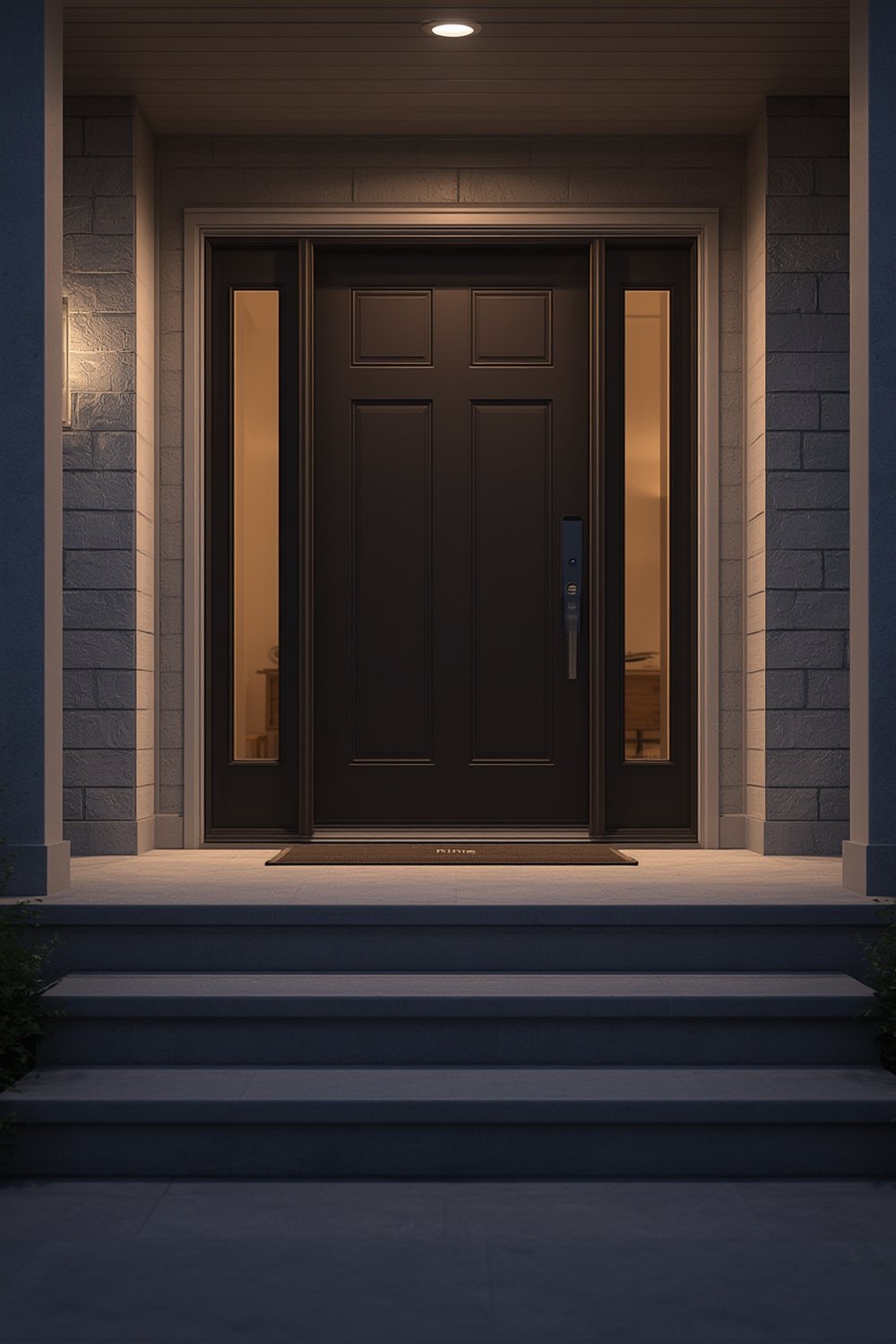
Snippet-bait answer: Ring Battery Doorbell vs Ring Video Doorbell 3 comes down to your top need: 2K/4K video and advanced features (Battery Doorbell Pro) for maximum clarity and motion intelligence, or proven 1080p HD and value (Video Doorbell 3) with hybrid power. Both are popular, but the best pick depends on your budget and front-door setup.
Analysts estimate roughly 2 million Video Doorbell 3 units sold through 2025–26 versus about 1.5 million Battery Doorbell units, showing both are popular but the Video Doorbell 3 has wider adoption (source).
Bottom line: For most renters and value hunters, the Battery Doorbell standard model is nearly unbeatable at $99–$149. The Pro is worth it for homeowners who want the sharpest video and don’t mind subscription fees. The Video Doorbell 3 hits the “safe default” for plug-in or hybrid installs.
Head-to-head video quality — Ring 2K vs Doorbell 3 features
When you compare Ring 2K vs Doorbell 3 features, the differences start with resolution and night vision. Ring Video Doorbell 3 records 1080p HD (30 fps) with a 160° horizontal field of view, basic HDR, and standard night vision. The current-gen Battery Doorbell boosts resolution to 2K (1440p) and color night vision, while the Pro delivers true 4K and a 10× zoom for package identification. Both 2K and 4K models sustain a comparable 160° FOV, but the extra pixels help with faces, license plates, and package details, especially after dark.
On the Pro 4K, 10× zoom and advanced HDR really do make a difference for porch theft prevention, especially if your camera is angled or your porch is deep. The difference is most obvious if you’ve used another 1080p camera and were frustrated by blurry or washed-out video at night.
See full Ring lineup specs here (SafeWise 2026).
Micro-conclusion: 2K and 4K models deliver meaningfully sharper video and better color at night versus the aging 1080p of the Doorbell 3, especially when you need to ID someone or a detail on your porch later.
Motion detection, pre-roll, and intelligent features
Motion features vary by model. The Video Doorbell 3 offers basic motion zones. Only the 3 Plus adds pre-roll—four seconds of lower-res black and white video before an alert, useful for catching quick events (like a package thieves). The new Battery Doorbell Pro steps up to 3D motion detection, advanced AI summaries, person and package detection, and more—but most of these require a Ring Protect subscription.
If catching package thieves is your #1 priority, pre-roll and AI motion zones help, but they differ: pre-roll is lower-res and limited (3 Plus only), whereas 3D motion and 4K video on the Pro genuinely improve both detection and playback, assuming you subscribe to unlock the full suite.
See a full feature review of Ring Video Doorbell 3 for more.
Micro-conclusion: Battery Doorbell Pro leads for AI and detection features, but without a subscription, differences shrink. Only the 3 Plus supports pre-roll, and only the Pro supports true object-level alerts out of the box.
Power & battery life — realistic expectations
Both Ring Battery and Video Doorbell 3 offer battery or wired power. Average battery life for all models is roughly 6–12 months under heavy use, according to thousands of user reviews and Ring’s own support data. That number can drop to as little as 3–4 months if you have heavy foot traffic or lots of motion events and poor Wi-Fi.
This battery reality frustrates many renters, who do not have wiring for trickle charging. However, hard-wired units (like the Doorbell 3) can maintain continuous power and faster notifications—if you own your home or have access to doorbell wiring.
Ring help: battery vs wired pros/cons.
Micro-conclusion: Expect to charge the battery at least once or twice a year under normal use, or more frequently if your door sees lots of motion. If you rent and cannot hard-wire, battery models are a tradeoff: simple install, but occasional charging is reality.
Connectivity & installation — Wi‑Fi, pre-roll limits, and hard‑wiring
Ring Battery Doorbell specs comparison reveals both product families now support dual-band Wi-Fi (2.4 and 5 GHz). This helps reduce congestion and improves video streaming. However, the most common complaint in user reviews is occasional drops or lag on the 2.4 GHz band, especially if your router is far from the front door or there’s interference from walls.
Both Battery and Video Doorbell 3 models offer battery or optional hard-wire installation. Hybrid is nice for homeowners, but battery install is a one-screw job—ideal for renters or those nervous about electrical work.
Side-by-side Ring install times here.
Micro-conclusion: Dual-band Wi-Fi is a practical upgrade, but neither model will mask a weak or distant router. Always check your Wi-Fi strength before making a buying decision, especially if you plan to record to the cloud or view live feeds daily.
Price, discounts and total cost of ownership (device + subscription)
In 2026, the Battery Doorbell lineup retails between $100 and $250 (standard: $99–$149, Pro: $230). The Ring Video Doorbell 3 has a $199 MSRP but often goes for $139–$159 on sale. The 3 Plus is pricier at $229 but is commonly discounted to $159–$169. Higher-res models (2K, 4K Pro) carry a clear price premium, and advanced AI features often only unlock with a Ring Protect subscription ($4–$15/month, depending on plan).
Most buyers will need the subscription to save/view video beyond live alerts. Over three years, subscription costs can outpace the device itself. Always factor this in, and watch for seasonal bundles that may include trial months of Ring Protect or the Chime Pro accessory.
Breakdown of cost details can be found at Gearbrain’s 2025 model comparison.
Micro-conclusion: While sale pricing often puts the Doorbell 3 at budget parity with the 2K battery model, the Pro’s cost and subscription stack up quickly. If you don’t want to pay monthly, focus on deals for the standard Doorbell or Doorbell 3.
Common complaints and negatives to consider
Based on thousands of reviews and direct user input, the common complaints and negative reviews Ring Battery Doorbell vs Ring Video Doorbell 3 draw are consistent:
- Battery life can be as low as 6–12 months (even less with lots of motion events or weak Wi-Fi).
- Frequent false motion alerts, especially on busy streets, requiring careful tuning of motion zones.
- Video storage and most “smart” features require a paid Ring Protect subscription.
- Occasional Wi-Fi drops disrupt notifications or miss recordings, especially over 2.4 GHz in crowded wireless environments.
- Privacy concerns remain for streaming and cloud storage, especially for renters or those wary of always-on cameras.
- The top-end Battery Doorbell Pro gets flak for cost and the reality that its best features (4K, 3D motion) only unlock with a paid plan.
Micro-conclusion: Battery life, false alerts, and required subscription fees are top user frustrations. Higher-resolution and AI are nice, but only justifiable if you truly need sharper video or smarter alerts and are willing to pay for them.
Real-world use cases & buying scenarios
Here’s who should buy which Ring model, based on the most common buyer scenarios for best Ring video doorbell 2026:
| Scenario | Best Pick | Why |
|---|---|---|
| Renters on a tight budget, no wiring | Battery Doorbell (2K) | Lowest price, simple install, sharper video than 3 |
| Max detail for package/theft/porch | Battery Doorbell Pro 4K | Sharpest video, 3D motion, up to 10× zoom for ID |
| Homes with wiring or hybrid setups | Video Doorbell 3 | Most adopted, regular discounts, hard-wired option |
| Subscription-averse buyers | Standard Battery or Doorbell 3 | All Ring models want a subscription for storage, but base price is lowest on these; skip advanced features |
| Best overall value, 2026 | Battery Doorbell (2K) | 2K imaging, good sales, easier install—solid for most homes |
Data: The Battery Doorbell family offers slightly sharper imaging (2K) and advanced motion on the Pro at a modest premium—good for buyers prioritizing clearer video. Video Doorbell 3 remains a popular, widely adopted 1080p option (est. 2M units sold through 2025–26, CNET).
Micro-conclusion: Choose the Pro 4K for the best video if you’ll pay for a subscription. Otherwise, the standard Battery Doorbell nabs the value crown, and the 3 is the “safe default” if you want hybrid installation.
Related: See our guide to the best video doorbells 2026 for subscription-free and Ring competitors.
Quick buying checklist & setup tips
- Confirm if your door has wiring or if you’ll need to rely on battery power.
- Test your Wi‑Fi signal at the outside door (ideally both 2.4 and 5 GHz work equally well for your router).
- Decide if you’ll pay for a Ring Protect subscription—plan on it if you want video history and advanced alerts.
- Check sale bundles (holiday and Prime Day) for included accessories or free months of subscription.
- Optimize battery life by lowering motion sensitivity, creating custom zones, and increasing alert intervals within the app.
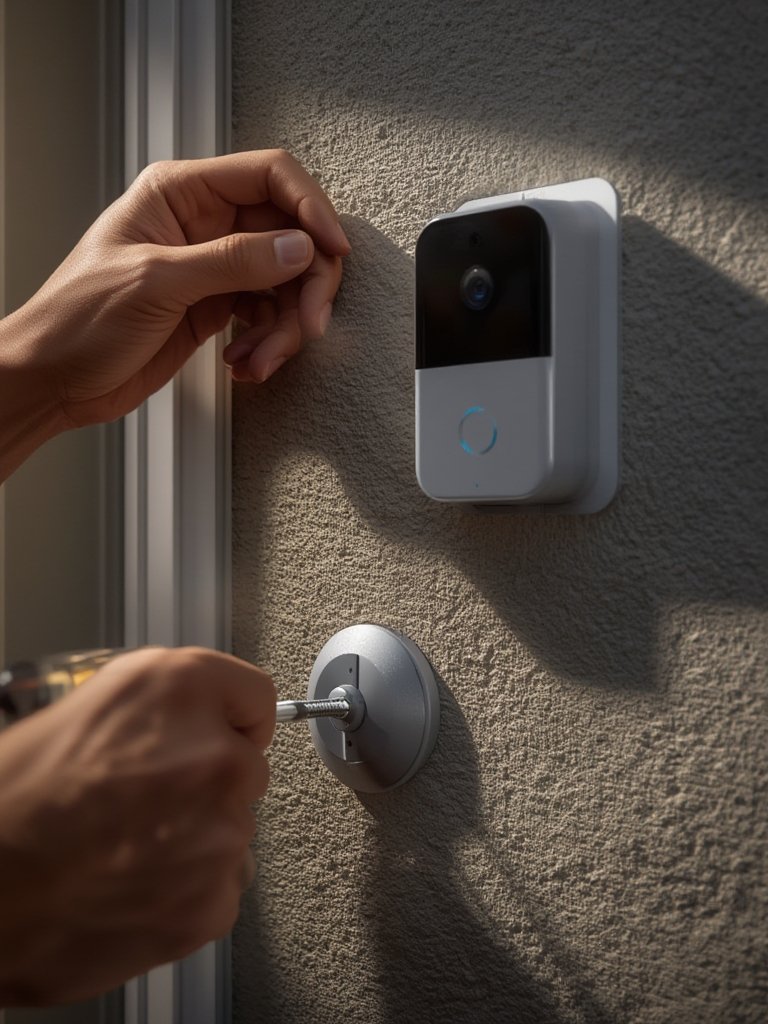
Micro-conclusion: Tuning motion settings and Wi-Fi placement can double your doorbell’s real-world reliability and minimize battery frustrations, especially on lower-cost battery models.
See also: Smart home tips for renters and our humidifier setup guide for small apartments.
Final recommendation + TL;DR table (one-line final picks)
| Best for… | Model | Summary One-liner |
|---|---|---|
| Maximum detail & features | Battery Doorbell Pro 4K | Sharpest video, advanced detections, but pricier and requires subscription |
| Best battery-powered value | Battery Doorbell (2K) | Great everyday detail, low cost, ideal for renters/no wiring |
| Wired/hybrid install & broad compatibility | Video Doorbell 3 | Good value on sale, easy hard-wiring, huge user base |
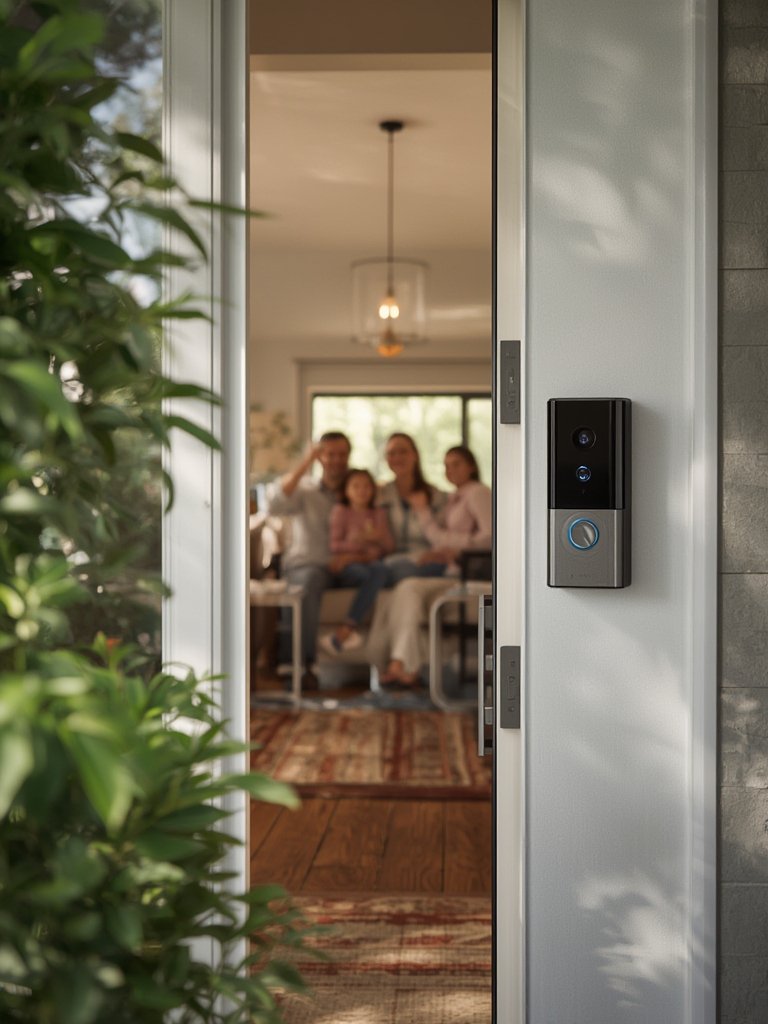
Remember, advanced features like 4K, 3D motion, and AI summaries are enabled only on Pro models and may require an active Ring Protect plan. Weigh device price against potential recurring subscription costs. More on pricing comparisons and features.
Conclusion
Choosing between Ring’s Battery Doorbell line and the Video Doorbell 3 means weighing your need for max-resolution video, installation flexibility, and your sensitivity to subscription costs. Both deliver dependable package detection, but the Pro 4K is a clear step ahead for video quality—if you are willing to pay for both device and plan.
The standard Battery Doorbell offers the crispest value for renters and those who want no-drill install and low upfront investment. Video Doorbell 3 is still extremely popular because hard-wiring means fewer battery headaches. Before you decide, consider how much you want to pay each year for video review/storage, and whether you’ll actually use the AI features.
For most, the “best everyday value” in the Ring Battery Doorbell vs Ring Video Doorbell 3 debate is the 2K Battery Doorbell for renters and the 3 (on sale) for wired homes. For the sharpest image and serious porch security, spring for the Pro, but expect recurring monthly charges. Ready for a broader look? Check out our best video doorbell 2026 buyer’s guide.
FAQ
Which Ring doorbell has the best video quality in 2026?
The Ring Battery Doorbell Pro 4K offers the highest available video quality in 2026, with true 4K resolution, advanced HDR, and 10× zoom. This makes it the top choice if your priority is image detail for package or visitor identification. Note that most of its advanced features require a Ring Protect subscription.
Is the Ring Video Doorbell 3 still a good buy in 2026?
Yes, especially if you find it on sale for $139–$159. It still delivers reliable 1080p HD video, simple installation, and supports both battery and wired power. Its lower upfront price and proven track record make it a strong value for buyers who don’t need 2K or 4K resolution.
How often will I need to charge the battery on these Ring doorbells?
With regular use, expect to recharge the battery every 6–12 months. High-traffic doors or weak Wi-Fi can cut this interval to just a few months. Battery models are easy to recharge, but hard-wiring (where available) means less maintenance and always-on power.
Do I need to pay for a Ring Protect subscription to use these doorbells?
No, but without a subscription you lose video history, cloud storage, and advanced AI features. Live viewing and basic motion alerts are free, but to review past footage or receive smart alerts, a paid plan is required for both the Battery Doorbell and Video Doorbell 3.
Can I install a Ring doorbell without any doorbell wiring?
Yes. All Ring Battery Doorbell models and the Video Doorbell 3 can be run 100% on battery power, making them renter-friendly with no wiring needed. Hard-wiring is only necessary if you want continuous power or are replacing an existing wired doorbell.