

Matter 2.0 smart home devices promise to finally unify your Alexa, Google, Apple, and Samsung gadgets—but is it the right time to commit? You want hassle-free device control, reliable upgrades, and a roadmap that does not require ripping out your existing gear.
Many tech-forward homeowners find Matter confusing and worry about ecosystem quirks, compatibility gaps, and upgrade risks. You need specifics, not fuzzy “one protocol to rule them all” marketing.
This guide strips out theory and delivers a clear buying and upgrade playbook for anyone invested in smart home reliability and long-term flexibility—especially if you already own a mix of Wi-Fi, Zigbee, and Thread devices.
Key Takeaways
- Matter 2.0 devices now make up about 25% of new smart home shipments (2026) and support all major categories—lighting, locks, appliances, EV chargers, and more.
- The most stable Matter 2.0 experience requires a Thread 1.2-capable border router or hub with Ethernet backhaul and reliable over-the-air (OTA) firmware update support.
- Not all Matter-labeled devices offer the same features across ecosystems; buyers must check real certification, update policy, and actual device support before upgrading.
- What is Matter 2.0 and why does it matter in 2026?
- Step-by-step: How to choose and upgrade to Matter 2.0 in your smart home
- Advanced analysis: Pitfalls, workarounds, and real-world tradeoffs
- Conclusion: Who should commit to Matter 2.0 now?
- FAQ: Matter 2.0 smart home device upgrades answered
What is Matter 2.0 and why does it matter in 2026?
Matter 2.0 smart home devices are networked products certified with the 2.0 specification, allowing reliable, cross-brand control and secure automation across Alexa, Google, Apple, and Samsung platforms, with wider device support and better updates than earlier generations.
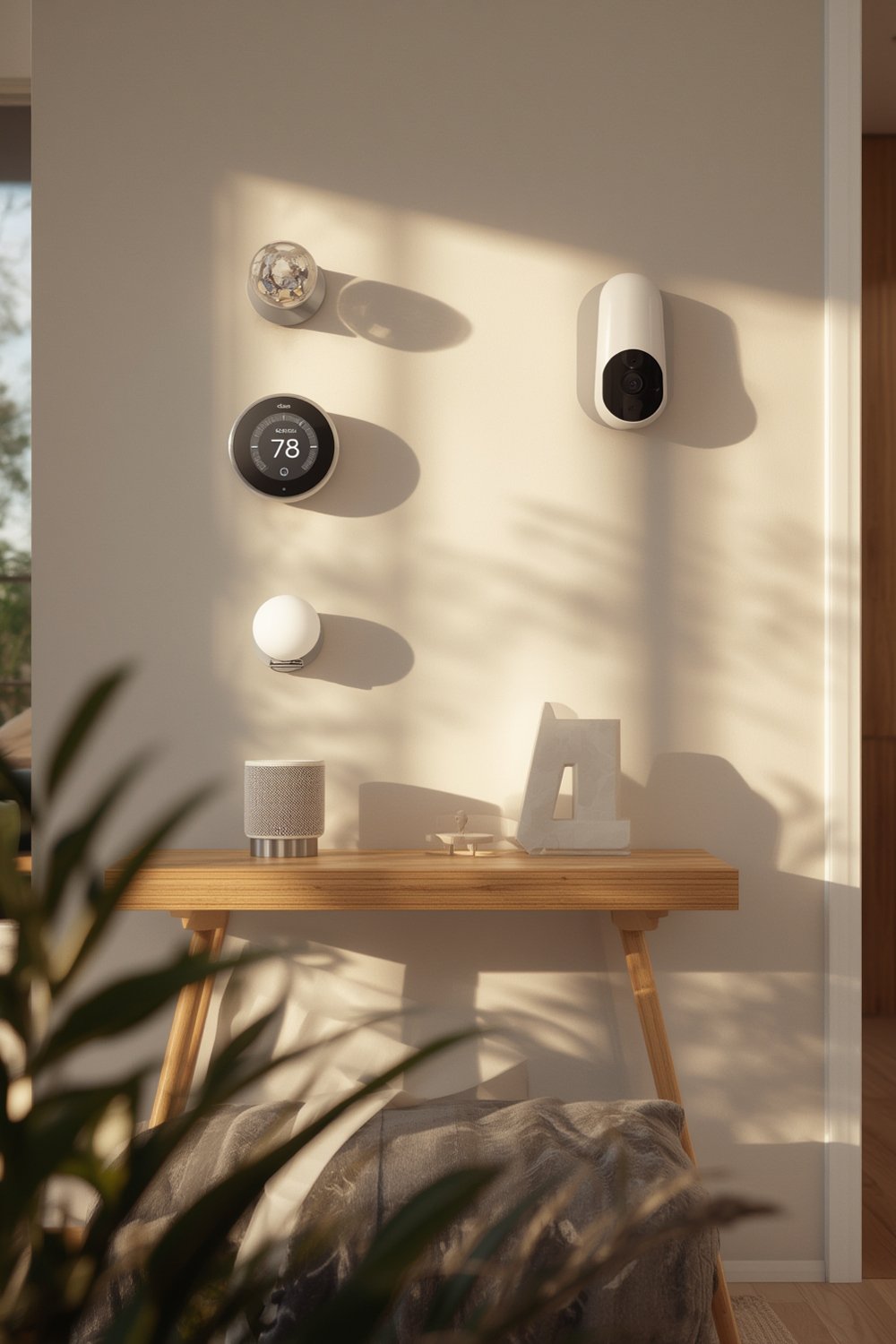
In plain terms, Matter 2.0 moves beyond previous “brand-only” smart home setups. It lets you mix and match lighting, locks, thermostats, plugs, sensors, appliances, and energy gear from dozens of vendors, and control them securely through any major voice assistant or app—without vendor lock-in. Unlike 1.0, the 2.0 spec brings practical upgrades: full Thread 1.2 mesh support, reliable OTA updates, and support for rich device types like robot vacuums, dishwashers, EV chargers, water-leak sensors, and air-quality monitors (source).
Between 2024 and 2026, Matter 2.0 smart home devices grew their market share from about 12 percent to roughly 25 percent of all shipments, with the big four (Amazon, Google, Apple, Samsung) each taking 15–20 percent of certified device sales (source). Adoption is now mainstream for new purchases, not just for enthusiasts.
For a homeowner, this means more devices work together natively, updates keep security current, and you’re less likely to be trapped in one vendor’s ecosystem—or stuck with incompatible gear after a few years.
That said, device experience is only as consistent as the weakest link (hub updates, actual Matter version, and vendor-specific firmware matter). You save time and risk if you verify support and upgradeability before making big changes.
Step-by-step: How to choose and upgrade to Matter 2.0 in your smart home
- Map your current devices (make, model, firmware) and note which are already Matter-certified, upgradable, or missing from the CSA certification registry.
- Evaluate your main smart home controller (Alexa/Google/Apple/Samsung apps) to confirm robust Matter 2.0 support, not just 1.0.
- Check your hub, smart speaker, or Thread border router for Thread 1.2 and Ethernet backhaul—these are needed for optimal Matter 2.0 thread compatibility (source).
- Plan your upgrade path: Safety (smoke/CO, sensors), energy (thermostats, EV), then locks, then large appliances, then lighting. Prioritize new devices where firmware/feature upgrades are proven.
- Verify vendor firmware update plans and check for known limitations with 2.0 features (e.g., not all Wi-Fi or Thread 1.0 devices get new 2.0 clusters).
- Pair new Matter 2.0 devices with your main controller through the best network path (Ethernet/Thread preferred), using step-by-step app onboarding.
- Test automations and feature parity across all your ecosystems (e.g., Alexa, Google Home, HomeKit); confirm all critical routines are reliable.
- Document your setup in a spreadsheet, including firmware versions and backup automations in case of future updates or vendor changes.
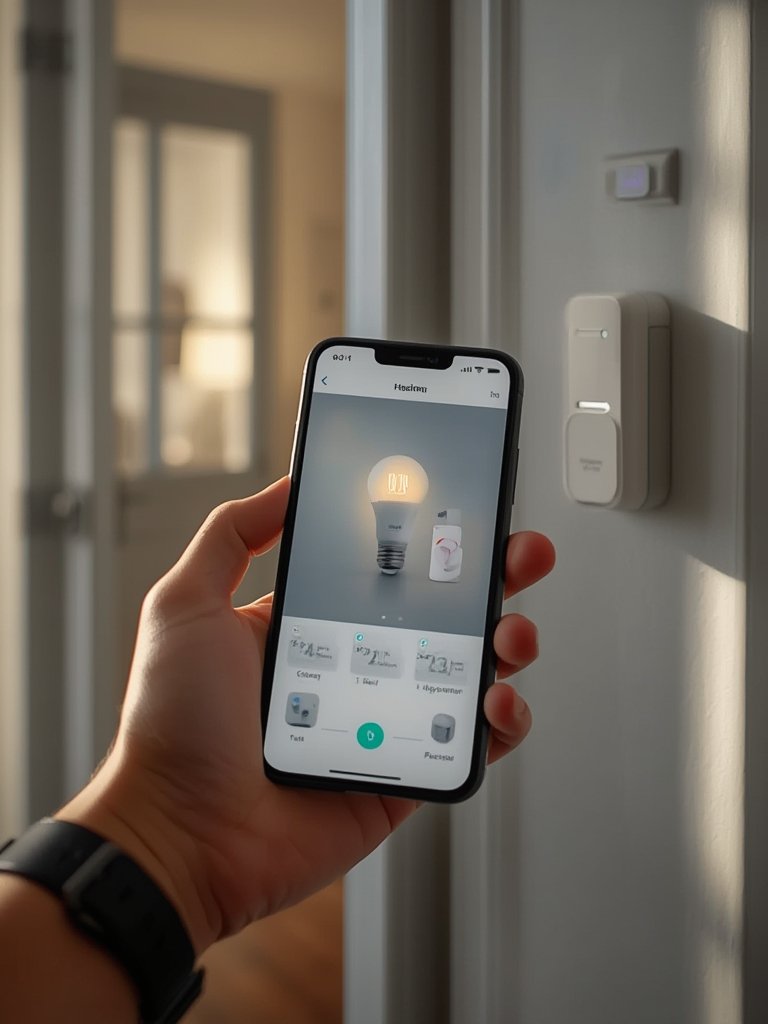
In practice, I’d avoid bulk-upgrading every existing smart device at once. Start with one safety or energy-critical device, validate the experience for a month, then make bigger swaps. Many Matter 1.0 devices won’t get the newest 2.0 clusters (like advanced appliance controls), so aggressive updating can leave you with a half-working setup if you don’t double-check vendor support.
If you have legacy Zigbee/Z-Wave gear that doesn’t support Matter, keep your old hub running in parallel—you won’t get native Matter control for those devices, but you’ll avoid unnecessary replacements and disruptions.
Advanced analysis: Pitfalls, workarounds, and real-world tradeoffs
Incomplete ecosystem feature parity
- Some devices (like generic switches or leak sensors) work in HomeKit but aren’t visible or manageable in Google Home or Alexa, even if “Matter certified.”
Fix: Confirm device support by ecosystem before buying and test with your actual app—do not trust box labels alone. This is a common frustration as shown by buyers on Reddit and recent reviews.
Firmware update delays and lags
- Firmware latency leaves early Matter 1.0 devices unable to support new 2.0 features, even after months.
Fix: Before upgrading, always check for vendor-official 2.0 firmware, not just “planned” support. Some companies miss deadlines by quarters or silently drop older models.
Border router and hub bottlenecks
- Network congestion and hub overload can lead to “device not found” issues or dropped automations—especially when border routers run only over Wi-Fi instead of Ethernet.
Fix: For a setup with many devices, ensure at least one Thread 1.2 border router is connected via Ethernet, and separate out non-critical automations to less-loaded controllers.
Not all “Matter” means the same thing
- A plug labeled “Matter” may only support core features in one ecosystem but lack advanced capabilities in others.
Fix: Compare device model, CSA database entry, and the vendor’s feature mapping for each ecosystem.
Upgrade path confusion
- Many buyers are surprised when their hub or smart speaker cannot be upgraded to Thread 1.2 or doesn’t get Ethernet backhaul support.
Fix: Plan to replace at least one old central controller with a certified 2026 model if you want the most reliable mesh support.
Comparison: Hubs, Border Routers, Devices (2026)
| Device/Hub Type | Supports Thread 1.2? | Ethernet Backhaul? | Wi-Fi 6/6E? | OTA Update Support | Typical Use Case | Common Limitations |
|---|---|---|---|---|---|---|
| 2026 Smart Speaker with Thread BR (e.g., Apple HomePod gen3, Google Nest Hub Max 2) | Yes | Some models | Yes | Variable (check model) | All-in-one control for up to 100+ devices | No PoE, possible congestion, must check firmware policy |
| Dedicated Thread Border Router (e.g., Eve Extend BR, Samsung Home Hub 2) | Yes (full) | Yes (GigE, PoE in some models) | Usually | Mandatory auto-updates | Pro setups, high-density deployments | Extra device required, cost ($120+) |
| Wi-Fi Only Device (bulb/camera/plug) | No | N/A | Yes | Sometimes forced updates | Single device, first-time users | No mesh, loses local control if Wi-Fi fails |
| Old Hub (Zigbee, Z-Wave, 2023 or earlier) | No | Maybe | No | Rare or manual-only | Bridging legacy devices | No native Matter support, may need parallel setups |
For edge cases, consider keeping your most critical automations on a parallel, legacy hub if you experience instability after upgrading. Many power users run Matter 2.0 for new gear, but preserve Zigbee or Wi-Fi-only routines for security sensors or energy monitors that lack mature Matter support.

Conclusion: Who should commit to Matter 2.0 now?
Matter 2.0 is a watershed for smart home buyers who want the freedom to pick devices across brands and avoid periodic “rip and replace.” If your main priorities are safety monitoring and long-term infrastructure—like leak sensors, locks, thermostats, or EV charging—adoption in 2026 is realistic, as long as you verify thread compatibility and firmware updates.
If you already own a mixed setup (legacy Zigbee, Z-Wave, or Wi-Fi devices), expect to run a hybrid for a while. Most pain points in 2026 come from early upgrades without checking actual device support, or from Wi-Fi-only hubs reaching their limits. Taking a phased approach—and tracking device/firmware status—saves time, money, and outages.
Your next step: inventory your current devices, prioritize one high-value upgrade from the Matter 2.0 smart home devices category (e.g., a leak sensor or thermostat), and test it with a Thread 1.2 border router. For detailed appliance guides, see our write-ups on the best heat pump dryer or plug-in solar kits that are increasingly Matter-ready.
FAQ: Matter 2.0 smart home device upgrades answered
What does “Matter 2.0” really add over Matter 1.0 for smart home devices?
Matter 2.0 builds on the original protocol by adding support for Thread 1.2 mesh networking, more device types (like appliances and EV chargers), stronger security, and efficient OTA updates. It improves reliability, future-proofs your setup, and expands beyond lights and plugs to cover most home categories (source).
Do I need to replace all my old hubs and sensors to use Matter 2.0?
No, but you may need at least one Thread 1.2 border router or a hub certified for Matter 2.0. Many Zigbee/Z-Wave hubs and older Wi-Fi models won’t get new features, so plan a dual approach—upgrade critical devices now and keep the rest until their replacements make sense.
How can I check if a device supports or can be upgraded to Matter 2.0?
Find the model in the CSA certification registry, confirm firmware release notes for 2.0 compatibility, and look up vendor update and rollback policies. Apps like Home Assistant can also scan device details, but official documentation is best for upgrade certainty.
Which devices should I upgrade to Matter 2.0 first?
Prioritize devices where reliability, safety, and energy management pay off—smoke or CO detectors, leak sensors, thermostats, locks, or EV chargers. These get the biggest benefit from cross-app integration and timely security updates. Consider large appliances and lighting next.
Are Matter 2.0 smart home devices truly ecosystem-agnostic?
Mostly, but not always. Some features or new device types may appear in one ecosystem before others, and feature parity is not guaranteed on launch day. Always check specific support for your controller (Alexa, Google, HomeKit) and be ready for short-term function gaps.
If you’re also considering new energy or kitchen upgrades, see our guides on heat pump dryers, all-in-one multi cookers, or compact espresso machines that may integrate into your setup. For air quality, check the latest HEPA air purifier tips. For new space-saving appliances, our portable air fryer overview has up-to-date compatibility notes.