

### Blog Post:
heat pump dryer is a practical upgrade for apartment living that cuts electricity use and avoids exterior venting while fitting stacked or closet installs.
Key Takeaways
- Heat pump dryer models typically use about 0.5 to 1.5 kWh per cycle and save 40 to 60 percent versus conventional electric vented dryers with common payback after rebates in about 3 to 7 years.
- Best for renters or small space owners who need ventless operation, stacked fit and lower ongoing utility bills even if upfront cost is higher.
- Immediate next steps are measure the space, confirm electrical whether 120V or 240V is available, and plan condensate routing or pump.
Quick take TLDR
Should you buy a heat pump dryer for an apartment Right now the short answer is yes for many renters and small space owners who want lower utility bills and a ventless installation that avoids modifying exterior walls. Typical heat pump dryers use about 0.5 to 1.5 kWh per cycle and deliver roughly 40 to 60 percent energy savings versus conventional electric vented dryers. With common utility rebates and state incentives the simple payback is often between 3 to 7 years for households that run the dryer several times per week. If you are a renter measure your closet or stacked space first check whether you have 240 volt supply or only 120 volt and identify a condensate drain plan before buying.
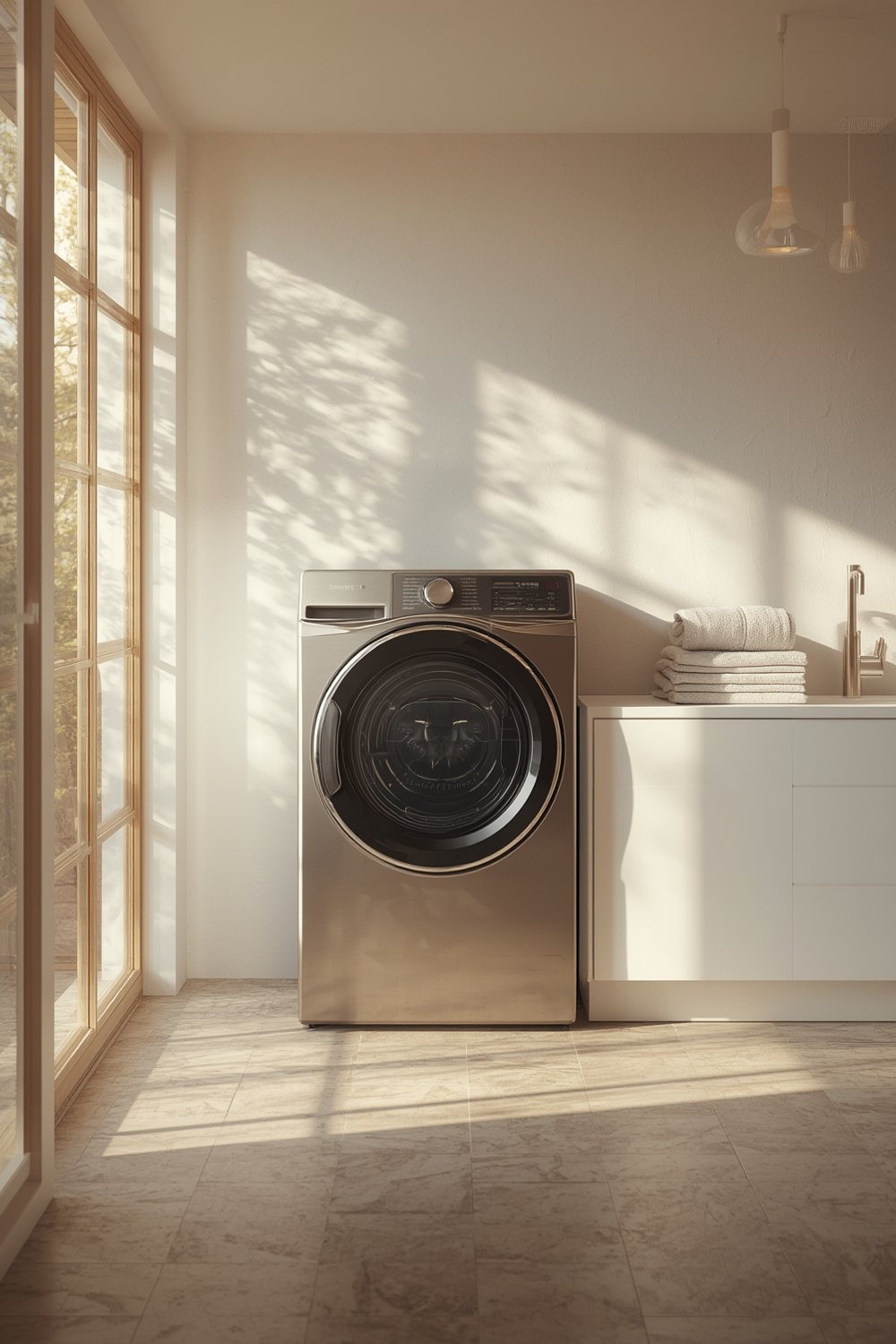
Who benefits most
Renters and condo owners who cannot add exterior venting get the most immediate value. If your electric rate is high or your household runs many loads each week you will reach payback faster. If you are willing to pay a premium for quieter operation and lower lifetime cost the tradeoff is longer cycle times and slightly higher maintenance.
Quick numbers to keep in mind
- Energy per cycle about 0.5 to 1.5 kWh depending on model and load size.
- Annual energy often 130 to 390 kWh for typical usage depending on cycles per week.
- Purchase price mainstream range about 900 to 1,400 dollars with premium models to 2,000 dollars.
Step by Step Guide
This section walks you through the practical steps from measure to buy to install in an apartment setting.
1 Measure and match
Measure width depth and height of the space you will use including stacked clearance. Common compact widths are about 24 to 27 inches and depths 24 to 30 inches. Confirm drum capacity so the dryer matches your washer. If your washer is a 4 to 5 cubic foot compact model choose a compact dryer to avoid repeated small loads.
2 Check electrical
Confirm panel circuit and whether a 240 volt outlet exists. Most US full size heat pump dryers prefer 240 volt only about 10 to 15 percent of North American models are 120 volt which tend to be lower capacity and have longer cycles. If you only have 120 volt plan for slower cycles and possibly more frequent runs.
3 Plan condensate routing
Decide whether you have a sanitary floor drain to route condensate or whether you will use a condensate pump. Condensate pump installs commonly add 150 to 400 dollars if no direct drain exists.
4 Stacked fit and anchoring
Most stacked fit kits are rated for 50 to 100 pounds and add about 50 to 200 dollars. Allow 2 to 4 inches of extra depth in tight closets. Use anti vibration pads if the closet shares walls with living spaces.
5 Hire pros only when needed
You may only need an electrician for a new 240 volt circuit which commonly runs 200 to 600 dollars depending on route and permit needs. Condensate pump plumbing is often a simple addition. Simple swaps into apartments usually avoid building permits but check local codes.
6 Check rebates before buying
Look for utility rebates and state programs. Many programs list rebates for ENERGY STAR models and some state programs provide up to 300 to 400 dollars. Combine these with manufacturer deals to lower upfront cost.
Internal resources for small space buyers can help you think about appliance tradeoffs. If you like compact solutions see our portable air fryer and compact espresso machine guides for how to pick appliances that fit limited space. If indoor air quality matters pair your new laundry setup with a HEPA air purifier while you run dryers near living areas. For energy pairing consider plug in solar if you are trying to offset the dryer load at peak times.
External reading on real world energy testing and market context is useful. The Slipstream field assessment provides data on measured efficiency and test methods Slipstream field and market assessment. The Zero Energy Project explains rebate and installation implications Zero Energy Project heat pump clothes dryers. For a practical retailer perspective see Yale Appliance on vented versus heat pump choices Vented versus condenser versus heat pump dryers.
Advanced Analysis and Common Pitfalls
This section covers realistic problems common to apartment installs and how often they occur plus fixes you can use immediately.
Top user pain points and frequencies
- Longer cycle times about 35 percent of complaints. Fix by matching load size to recommended loads and using sensor dry settings.
- High upfront cost about 25 percent of complaints. Fix by combining utility rebates and seasonal sale pricing.
- Inconsistent dryness about 20 percent of complaints. Fix by avoiding overloading and cleaning sensors and filters regularly.
- Condensate pump or drain issues about 10 to 15 percent of complaints. Fix by installing a quality pump and checking discharge routing monthly.
- Noise or vibration about 10 percent of complaints. Fix by re leveling and using isolation feet and stacked kit rated for your machine weight.
| Specification | Heat pump dryer | Electric vented dryer |
|---|---|---|
| Energy per cycle | 0.5 to 1.5 kWh | 1.0 to 4.0 kWh |
| Annual kWh typical | 130 to 390 kWh | 650 to 1,150 kWh |
| Cycle time | 40 to 55 minutes typical | 30 to 45 minutes typical |
| Purchase price range | 900 to 2,000 dollars | 450 to 1,800 dollars |
| Installation extras | Stack kit 50 to 200 dollars, condensate pump 150 to 400 dollars, electrician 200 to 600 dollars | Ductwork 200 to 500 dollars if needed |
Lifecycle issues to add to total cost of ownership include filter and heat exchanger cleaning every 3 to 6 months possible condensate pump replacement that may cost about 80 to 200 dollars and occasional compressor repairs that can run several hundred dollars. Plan for parts and service over about 7 to 10 years for mainstream brands.
Conclusion
Heat pump dryers offer clear energy savings and a practical ventless option for apartment living. They save about 40 to 60 percent on electricity compared to standard electric vented dryers which translates to meaningful dollar savings over time. The tradeoffs are higher upfront cost longer cycles and a need for occasional condensate and filter maintenance. If you can access rebates and you run the dryer several times per week a heat pump dryer is often a strong buy for renters and small space owners.
Next steps measure your space confirm electrical and condensate routes check current rebates and shortlist three models that match your washer and space. If you want help picking top candidates try our compact appliance discussion including the portable air fryer and compact espresso machine and then return with model numbers so we can compare kWh per cycle and installation needs. Buy with confidence and plan for routine maintenance to get the best life and savings from your new heat pump dryer.
Call to action Measure your space check for a 240 volt outlet or plan for a condensate pump then compare three models with published kWh per cycle and local rebate options before purchase.
Quick FAQ
Can I install a heat pump dryer in a closet
Yes. Heat pump dryers are ventless so closet installs are common. You must allow clearance per the manual supply an accessible condensate drain or pump and provide ventilation clearance in the closet. Check weight limits for stacked kits and use anti vibration pads if needed.
Do heat pump dryers require venting
No. Heat pump dryers are ventless and condense moisture internally to a drain or pump. That makes them well suited for apartments where exterior venting is not allowed.
Will a heat pump dryer shrink my clothes more than a vented dryer
No. Shrinkage is a function of heat and time. Heat pump dryers operate at lower temperatures and often are gentler. Over drying causes shrinkage so use sensor dry settings and avoid excessive heat settings.
Are 120 volt models available
Yes but they are less common in North America maybe about 10 to 15 percent of models. They tend to have lower capacity and longer cycles. If you only have 120 volt expect slower drying times and choose a model that lists energy per cycle so you can compare.
Where do I get service and parts
Use the manufacturer authorized service network for warranty work. For common parts like condensate pumps filters and feet you can get replacements from appliance parts retailers or the manufacturer. Expect some repairs after several years and budget for parts and labor in lifecycle cost calculations.
Related reading and small space guides portable air fryer air fryer liners compact espresso machine HEPA air purifier plug in solar.
—