

AI smart home camera mood detection is quickly shifting from science fiction to reality, but for privacy-conscious homeowners, separating real health and safety benefits from marketing hype is tough. Is mood or stress-sensing actually accurate, or mostly a gimmick? What about privacy, false alarms, and cost? This guide puts the tech to the test so you don’t waste money or compromise your family’s trust.
With real 2024–2025 market data, we break down what wellness and security tradeoffs to expect, actual product choices, and exactly what to check before you buy. Whether you want early warning of stress, child or elder monitoring, or a smarter front door, you’ll find concrete advice below.
Key Takeaways
- Latest AI smart home cameras like Eufy E30 ($149.99) now include real mood, stress, and event detection, but privacy and accuracy vary by model.
- Critical buying factors: on-device AI, sensor accuracy, privacy controls, fallback PIN/key, and ecosystem integration (HomeKit, Zigbee, Thread, RTSP).
- Common user complaints (2024): false alarms, buggy app integration, poor battery life, and vague privacy policies. Always test return/refund policies.
- Why mood-detecting AI cameras matter for home wellness and security
- How mood and biometric detection actually work in practice
- Which mood-detection AI cameras are shipping today?
- What features matter for AI smart home camera mood detection?
- Common pitfalls and user complaints about mood/biometric smart cameras
- Privacy, ethics, and regulation checklist for mood-sensing cameras
- Real-world scenarios: when does mood detection add value?
- Pricing expectations and ROI for smart cameras with mood detection
- Quick 10-point checklist for evaluating AI mood/biometric cameras
- Where to buy, trial strategies, and integration tips
- Frequently Asked Questions (FAQ)
Why mood-detecting AI cameras matter for home wellness and security
AI-driven mood detection in home cameras combines facial analysis, behavior tracking, and physiological sensing to alert you to stress, aggression, or abnormal behavior. This technology supports proactive security and wellness monitoring, helping homeowners respond sooner to real issues. Today’s leading models use on-device analytics for privacy and fast response.
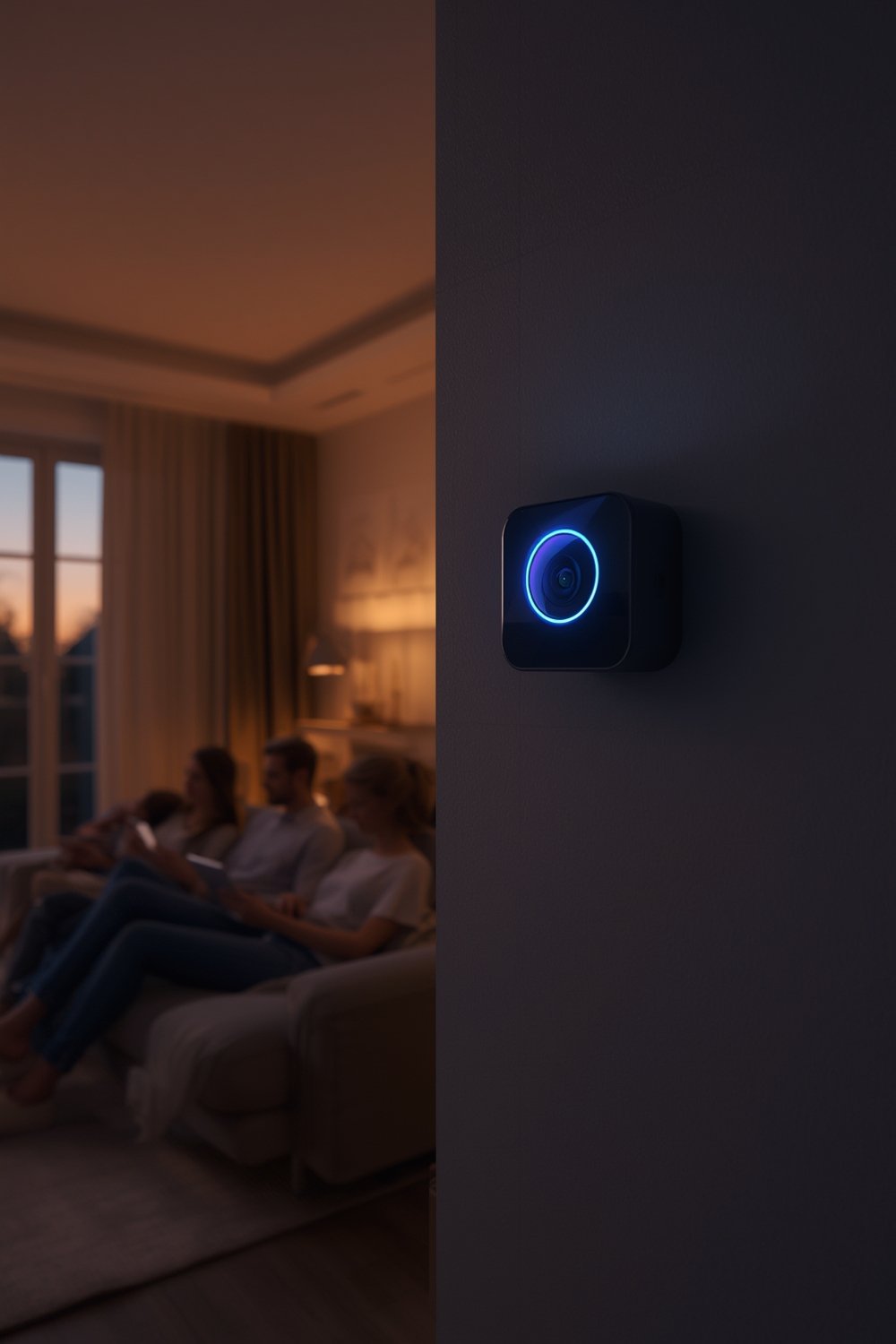
Interest in emotion sensing smart home tech is spiking as AI cameras merge security and wellness under one roof. The global smart home camera market is projected to surge from about $9 billion in 2023 to $46.3 billion by 2033, with AI camera features driving much of the demand (market.us). Security, elder/child monitoring, and early stress-detection are common drivers.
Not just a research trick, AI smart home camera mood detection is already in mainstream products. Real-time analytics now help spot aggressive behavior at the front door, rising distress in a room, or signs of fatigue—all without monthly fees or complex installations. But do these new features justify the price or privacy risks? Keep reading for straight answers.
How mood and biometric detection actually work in practice
- Understand the science: AI security camera behavior analysis identifies facial micro-expressions (anger, distress, happiness), posture, gestures or vocal stress using video and audio streams.
- Check for sensor fusion: Top cameras add contextual awareness home sensors—combining motion, environment, and sometimes heart rate from subtle skin color changes (PPG imaging, or “smart sensor heart rate monitoring home”).
- Review data flow: On-device AI delivers faster updates and better privacy. Cloud-only solutions may offer richer analytics but raise more privacy and latency concerns.
- Assess the context: Reliable mood detection needs cross-checks (e.g., matching stress voice with tense posture and fast heart-rate). Models with only one modality flag more false positives.
- Test with real scenarios: Invite multiple people, replicate different lighting/times of day, check for accuracy. Apps should indicate confidence score of detection (few do).
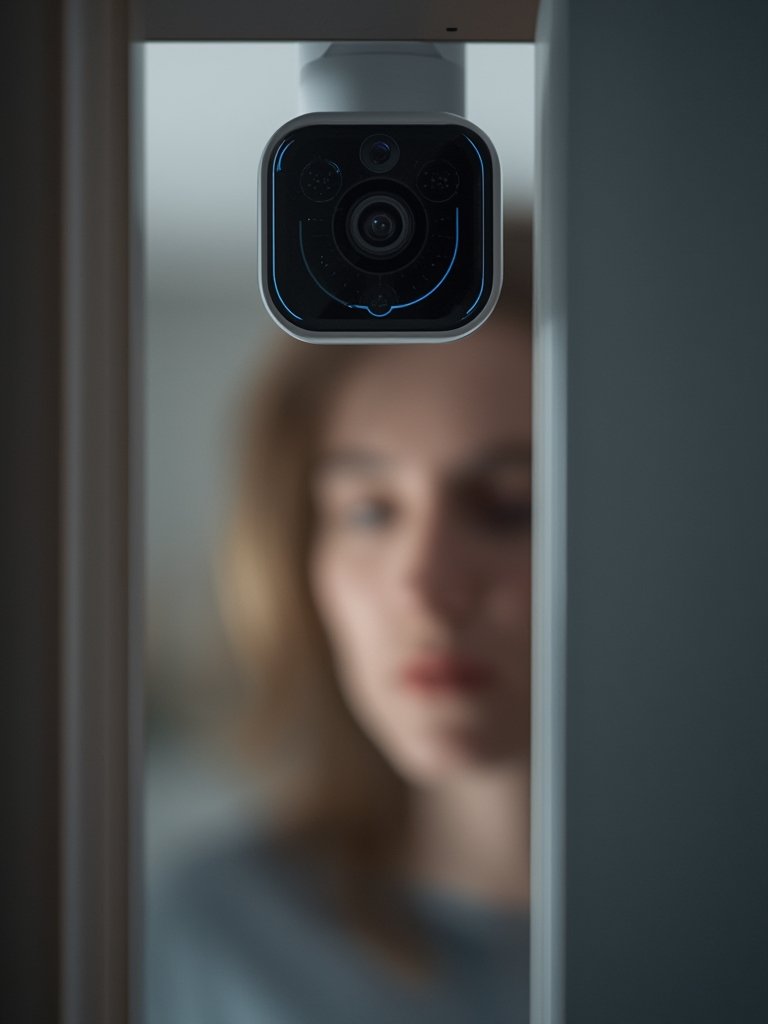
Based on Precedence Research, about 33% of all AI cameras now focus on surveillance/behavior analytics. Home models may not offer full biometric-grade accuracy, but leading 2024 designs are nearing clinical reliability for facial stress cues in real-world light—even with children or pets in the frame.
Which mood-detection AI cameras are shipping today?
Here’s how current-generation cameras claiming AI mood, stress, or advanced event detection stack up:
| Model | Launch | Advanced Detection? | Storage | Integration | Approx. Price |
|---|---|---|---|---|---|
| Eufy Floodlight Camera E30 | Nov 2024 | AI vehicle/human & “mood” event | Local SD (no subscription) | Works with Alexa/Google | $149.99 |
| Lorex 2K Dual-Lens Pan-Tilt | Oct 2024 | Behavior + event analytics | Local + Cloud | HomeKit, Google | $139–179 |
| Resideo First Alert VX5 | Apr 2024 | Advanced event, privacy mode | Local by default | HomeKit, Zigbee | $160–180 |
Few units market themselves directly as a camera that detects stress or mood, but most high-end 2024–2025 AI cameras now build in some emotion/behavior detection in addition to people or package alerts. Local storage is favored in North America, with many units letting you opt out of the cloud for privacy.
Online sales channels make up 37% of all HD AI camera sales, so buy directly from brands or major e-commerce players with extended returns. Beware: Some crowd-funded “emotion AI” cameras never ship or lack clear policy support and firmware updates.
What features matter for AI smart home camera mood detection?
- Sensor accuracy: Verify that detection accuracy stats are published. Anything under 90% for basic event detection is suspect. Ask for false alarm rates.
- On-device analytics: Models with local processing minimize privacy risks and lag. Outsourcing to the cloud may violate some state/country laws.
- Multimodal detection: Look for models with audio, motion, and (where legal) heart-rate overlays—these spot stress faster and fake alarms less.
- Integration/flexibility: Priority to models supporting popular ecosystems (Matter/Thread, Zigbee, HomeKit, RTSP, or “Works with” standards).
- Physical fallback: Never buy a camera/lock without basic PIN or key fallback. Batteries die or facial recognition fails after big storms or software updates.
- Privacy settings: Toggle off cloud uploads, set data retention/destruction schedules, and check that local video is encrypted by default.
- Battery and power: Wired units are more reliable for always-on mood analysis, but battery-only models can be easier for rentals or test pilots. Many owners complain of losing features as batteries degrade.
Market research shows privacy-focused, locally-stored models are gaining ground fast in North America, with nearly 39% of 2023’s revenue. If privacy is non-negotiable, skip anything that lacks on-device options and clear encryption.
For property managers or families wanting integration with future devices, make sure to also check our Matter 2.0 compatibility comparison.
Common pitfalls and user complaints about mood/biometric smart cameras
False positives: What triggers them, and how to fix
- Bright light changes or pets can set off mood detection. To fix, tweak detection sensitivity and place cameras at face height, angled away from windows.
False negatives: Missed events
- Less common than false alarms, but shadows or crowded rooms can cause missed detection. Double up sensors or add a second camera to key zones.
Delayed authentication or battery drain
- Face/fingerprint unlocking can lag after firmware updates. Always keep a backup PIN/key. Replace batteries every 9–12 months, not just at “low” warning.
Privacy and vague retention policies
- Mainstream vendors are catching up, but many “AI” cameras ship with unclear storage/usage details. Only buy after reviewing real policy PDFs, not just app summaries.
App/system incompatibility (especially with Apple HomeKit/Matter)
- Check for the latest firmware and look for explicit HomeKit or Thread support. Otherwise, you might lose automations after software updates. See our Matter 2.0 device guide for next-gen compatibility checks.
According to industry feedback, the push to add new detection has led to rapid app/software updates—sometimes breaking integration with other smart-home subsystems. Never update firmware on mission-critical cameras without confirming community reviews first.
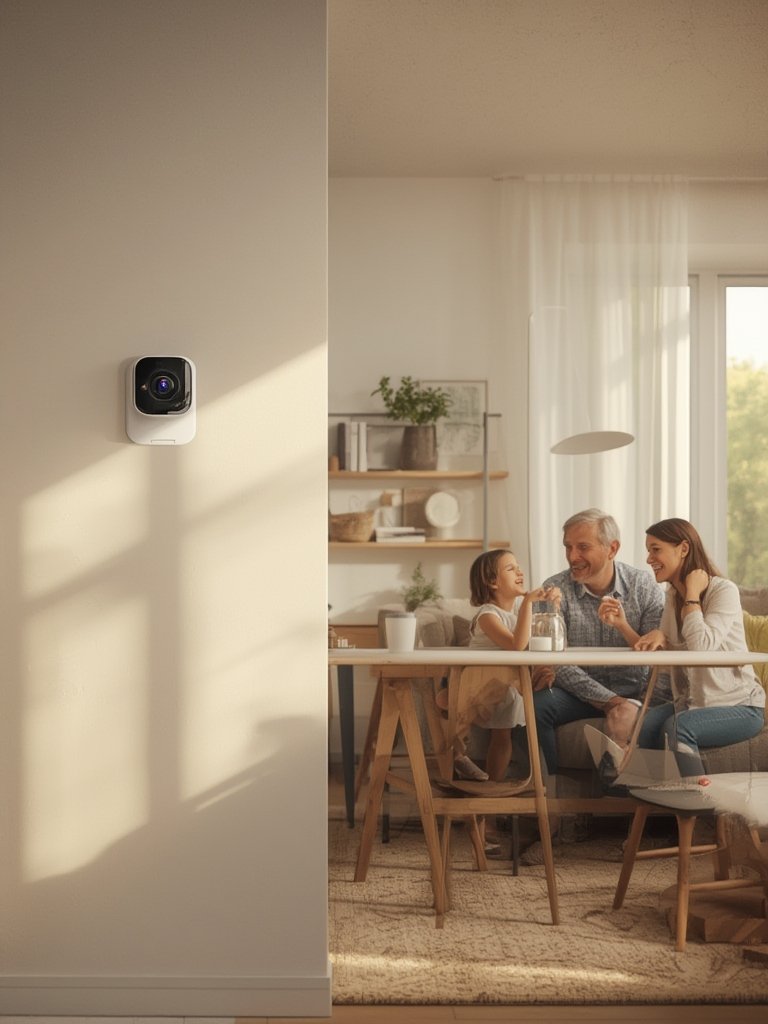
Privacy, ethics, and regulation checklist for mood-sensing cameras
- Storage (local vs cloud): Local storage means less risk if devices are breached. Favor cameras with SD or encrypted internal storage you can control.
- Retention policies: Look for explicit “auto-delete after N days” options. Demand written data usage/retention policy before buying.
- Consent from all occupants/guests: In many US and EU states, consent is required for biometric or emotion sensing in shared homes or rentals.
- Regulatory status: Mood/behavior sensing is not fully regulated at the consumer level, but governance regulations are emerging. Facial recognition at industrial scale (CBP processed 100M people in 2022) has led to privacy rules—expect home devices to be next.
- App permissions & disclosures: Inspect app permissions on install. Some cameras request unnecessary access to contacts, microphone always-on, etc.
- Third-party review: Whenever possible, choose cameras or brands that have undergone third-party security/privacy review or hold certifications.
In practice, I never install a new emotion sensing smart home tech camera in bedrooms, bathrooms, or guest spaces. Place stickers or digital notices—this satisfies most local notice/consent guidelines in rental or Airbnb settings.
Real-world scenarios: when does mood detection add value?
- Elder care: Alert if confusion/stress spikes during the night, or anomalous sleep patterns are detected (early intervention for falls or agitation).
- Child wellness: Detect tantrums, bullying, or distressed outbursts in playrooms—especially in larger homes where parents can’t monitor directly.
- Security triggers: Spot aggressive postures at main entrances (door pounding, threatening gestures), cueing preemptive alerts even before break-ins.
- Hands-free alerts: Announce via smart speakers if a household member seems highly distressed, e.g., after a fall.
Despite marketing, these systems should not be your only source for health or safety data. They are best as “early warning” and work well when their notifications link to other actions (lights on, call for help, recording to local NAS, etc.). For mental health or legal monitoring, dedicated medical/regulated devices remain a safer fit.
U.S. adoption for emotion sensing is growing, according to Fortune Business Insights. That said, mood detection remains easily fooled by crowd scenes, heavy makeup, or playful children pretending. Always trust your own judgment before acting on a notification alone.
Pricing expectations and ROI for smart cameras with mood detection
Entry price for AI smart home camera mood detection is lower than you might think. The Eufy Floodlight Camera E30, for example, retails at $149.99 (Nov 2024) without a required subscription. Lorex, Resideo, and Arlo offer similar models between $130 and $200, with advanced analytics but varying privacy defaults.
Expect to pay $130–250 for reliable, integrated mood-aware cameras in 2025, or more for whole-home/multi-zone bundles. Many cloud plans remain optional unless you want multi-week playback or AI video exports. Subscriptions ($3–10/month typical) mainly buy you richer alert history.
Rapid market growth (AI camera sector expects $34 billion revenue by 2032) should lead to falling prices and bundled wellness/event features by 2026. If this is your first venture into mood detection, pilot with a single device first—don’t buy pro bundles before you know if the alerts add real value.
Quick 10-point checklist for evaluating AI mood/biometric cameras
- Are biometric/mood sensors specified—video, audio, PPG, etc.?
- Is on-device AI analysis supported (for privacy/control)?
- Is detection accuracy published (with data, not just “AI-powered”)?
- Is all storage encrypted—even local SD or NAS backups?
- Does the camera offer adjustable data retention and deletion?
- What is the real battery life or power redundancy?
- Does it integrate with your ecosystem (Matter 2.0, HomeKit, Zigbee, etc.)?
- Are firmware updates regular and security-reviewed? (check update log)
- Is there a fallback options (PIN, key, code) if biometric fails?
- Can you fully return or trial the device within 30–60 days if accuracy or privacy disappoint?
Manufacturers are now adding backup key options, more granular Privacy settings, and public detection accuracy stats in direct response to user complaints, per SNS Insider’s 2024 research. Print or bookmark this checklist before your next camera purchase or comparison. For device ecosystem compatibility, see our Matter 2.0 standards article.
Where to buy, trial strategies, and integration tips
For most buyers, the best place to start is direct from the brand or a major e-commerce retailer that honors no-questions-asked returns (Amazon, Best Buy, or directly from Eufy/Lorex). In 2024, online channels made up roughly 37% of HD AI security camera sales. These outlets give access to latest firmware and user reviews.
Always test in one room first for a week; stress-test the device with family, guests, different lighting, and see how well mood/biometric alerts integrate with your preferred smart home hub (HomeKit, Alexa, etc.). Check the manufacturer’s privacy and retention policies in advance—policy details should be available before installing. Integration can be trialed using temporary accounts or guest zones.
If you already have a modern Matter/Thread hub, bookmark our Matter 2.0 smart device compatibility guide to avoid ecosystem lock-in. For energy monitoring and real-world ROI tips, see our new AI thermostat savings feature.
Bottom line: Should you invest in AI smart home camera mood detection?
AI mood and behavior detection features are now real and affordable for most homeowners—expect to pay $150–200 for a solid device, but budget time for setup and privacy checks. Reporting is improving as the tech matures, but accuracy and integration headaches remain common complaints.
If wellness monitoring or advanced security is a priority, a trial deployment of a locally-processing smart camera can genuinely help. Just know the limits: these systems supplement, not replace, first-hand awareness.
The current generation of AI smart home camera mood detection devices provides a new layer of insight, but always weigh the privacy, family comfort, and practical reliability before full rollout. Ready to compare real specs? Dive into our Matter 2.0 compatibility analysis or explore money-saving AI sensor upgrades in our thermostat buying guide.
Frequently Asked Questions (FAQ)
How accurate are AI smart home cameras at detecting stress or mood?
Most consumer-grade cameras with “mood detection” rely on AI analyzing faces, gestures, and occasionally audio. Leading 2024 models can detect stress or emotional changes with about 80–90% accuracy in controlled lighting, but false positives still happen. Multi-modal models and on-device analytics improve accuracy and privacy.
Do I need a subscription for AI mood or behavior detection?
No. Many top models like Eufy E30 store mood/event analytics locally and require no monthly subscription for alerts or recordings. Subscriptions add extended clip history or cloud exports but aren’t essential for core wellness/security features.
Is AI-based mood detection privacy safe for families?
Privacy safety depends on where data is processed and stored. Cameras with on-device AI and local storage are safer than cloud-only models. Always review privacy and consent policies, enable encryption, and don’t install cameras in bedrooms or guest spaces without clear disclosure or consent.
What legal/ethics risks apply to mood-sensing cameras in private homes?
In many areas, using biometric or emotion-sensing devices requires consent from all residents or guests. Current regulations cover facial recognition in commercial settings, but home laws are catching up. Review local privacy laws and avoid installing in sensitive zones (e.g. bathrooms, private bedrooms).
Which home automation platforms support AI mood/biometric cameras?
Most 2024–2025 models now support leading smart home platforms (HomeKit, Alexa, Google Home, Zigbee, and Matter 2.0). To avoid compatibility headaches, buy cameras tested with your exact hub/voice assistant—see our Matter 2.0 guide for real-world results.