

sauna box demand in 2024 is surging among apartment dwellers and urbanites seeking a real wellness upgrade without permanent renovations. This portable spa trend is growing faster than almost any other at-home wellness device—and its compact, foldable design makes it one of the few true options for renters or those with limited space.
Key Takeaways
- Sauna box sales witnessed over 269% growth in US search demand during 2024, with wellness trends and city living driving adoption rates.
- Top guides often skip crucial info: installation tips for apartments, longevity and upkeep, and clear scientific research on home sauna health effects.
- Choosing, setting up, and maintaining a sauna box is straightforward—but requires attention to sizing, safe placement, and electricity access.
- What is a Sauna Box and Why Are They Trending?
- How to Set Up a Sauna Box in Any Apartment: Step-by-Step Guide
- Advanced Analysis & Common Pitfalls to Avoid
- Conclusion: Is a Sauna Box Right for You?
- FAQ
What is a Sauna Box and Why Are They Trending?
A sauna box is a portable, collapsible, in-home sauna kit that delivers the heat, steam, and relaxation of a traditional sauna—without needing permanent construction or dedicated rooms. Most models are foldable, plug into a standard wall outlet, and fit in even the smallest apartment space. Their exploding popularity comes from wellness-minded city dwellers seeking a genuine spa experience at home, with minimal footprint and commitment. Stats show sauna box and tent sales are growing fastest among all portable sauna categories, especially for single or two-person use in dense housing markets such as the US and North America.
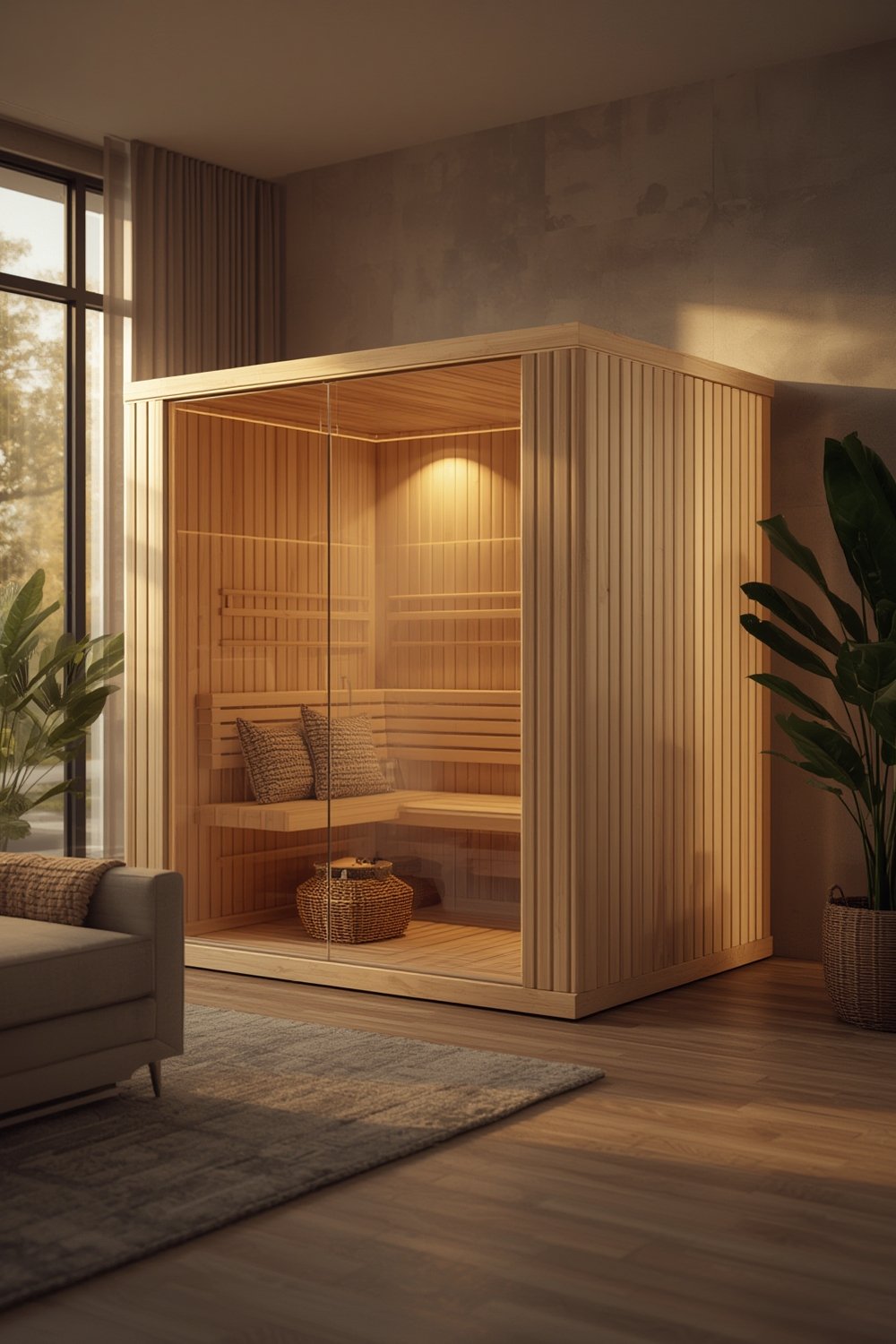
This trend is reinforced by search analysis: US demand for “sauna box” terms climbed a staggering 269% in 2024, outstripping regular outdoor or built-in home saunas (source). Urban health trends, squeezed square footage, and rising stress levels all make sauna boxes a leading choice for apartment recovery and relaxation.
If you’re exploring a move to smarter, healthier small space living, see similar surging demand for mini air fryers for apartments and compact espresso machines.
How to Set Up a Sauna Box in Any Apartment: Step-by-Step Guide
You don’t need contractors, toolbelts, or spa-level budgets. Here’s how to install a sauna box in an apartment—and get spa-grade results at home.
- Measure Your Space: Most sauna boxes require a 3×3 to 4×4 ft footprint and 4-6 ft ceiling clearance. Fold up and stow away when not in use. Measure not just the loungy area but also account for a 24in buffer around the unit for safe airflow.
- Choose the Right Model: For apartments, opt for a plug-and-play box. Avoid wood-fired or custom-modified sauna tents. Look for listings specifying “apartment use,” and prioritize lower wattage (800-1500W) and included safety features like auto shutoff or temp limiter.
- Prep Your Surface: Always set up on hard, non-flammable flooring: tile, sealed concrete, or a heat-proof mat. Never on carpet or near drapes. Some users buy a silicone air fryer liner (these types) as extra cheap protection underneath.
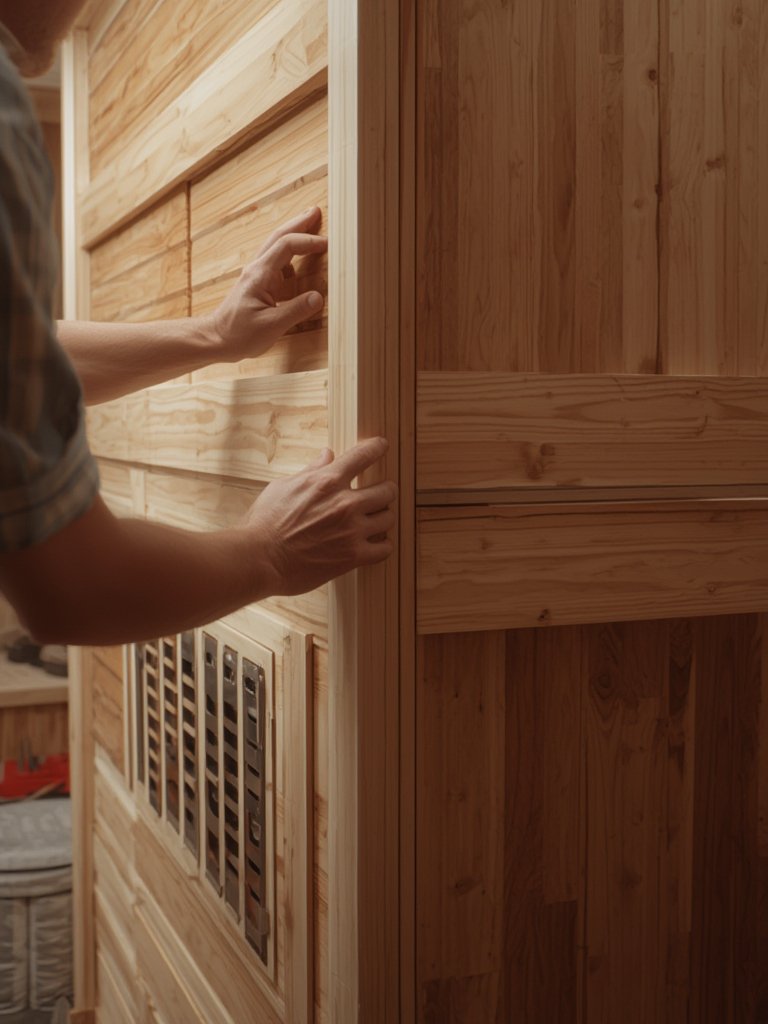
- Assemble and Plug In: Most boxes pop up in under 10 minutes. Connect heater, fill water/steam reservoir if included, and leave flaps/vents open before first session. Plug into a dedicated wall outlet; avoid power strips or daisy chaining for safety.
- Ventilate After Each Session: After use, unzip all openings and let it cool completely. Leave it open for at least 30 minutes to reduce mold risk.
- Store Dry and Tidy: Most boxes fold flat to slide under beds or into closets. Make sure it’s 100% dry before storage.
Thinking about overall wellness upgrades in tight living spaces? Many users also add a HEPA air purifier for bedroom wellness to keep the air fresh post-sauna.
For added post-sauna coziness, apartment dwellers often use candle lamp warmers instead of open flame candles—perfect for winding down safely after your session.
Advanced Analysis & Common Pitfalls to Avoid
While sauna boxes offer flexibility and wellness perks, most guides skip over real-world challenges. Here’s a deeper look at potential issues to anticipate, straight from industry and market research data:
- Electrical Overload Risks: Most affordable units require 800-1500W. On old wiring or crowded circuits, this can trip breakers—never plug in with another major appliance. Check the wattage first.
- Moisture, Steam, and Mold: Use in well-ventilated rooms and fully dry every part after use. Overlook this, and you risk mildew within weeks.
- No Published Longevity Data: None of the major market surveys mention durability tests or average product lifespan. Expect a 2-5 year range, but brands rarely disclose actual MTBF (mean time before failure).
- Replacement/Hidden Costs: Expect to pay $30-$50/year on wipes, cleaning sprays, or heater descaling. Shipping for large boxes can be $20-$50 on returns or warranty claims. Accessories like foldable chairs or liners are rarely included.
- Missing Scientific Evidence: No clinical research currently verifies the long-term health benefits or risks of regular sauna box use at home—unlike the established data for full-scale, fixed saunas used in clinical studies.
| Aspect | What Top Articles Miss | What to Watch For |
|---|---|---|
| Apartment Installation | No in-depth space planning or assembly hacks | Measure access routes, secure power outlet nearby, leave drying space |
| Long-term Maintenance | No guidance on mold prevention, replacement parts, or cleaning routines | Wipe down all surfaces, fully air out, check zippers/frames quarterly |
| Wellness Effects | No clinical or scientific evidence presented on health impacts | Consult your doctor before heavy or frequent use, especially for heart conditions |
| Total Cost of Ownership | Rarely details accessory, shipping, or recurring costs | Budget for cleaning products and possible accessory upgrades annually |
Need a tool that does even more? The concept is similar to the multipurpose multi cooker vs slow cooker debate—don’t overbuy if you only want basic, safe daily use.
Conclusion: Is a Sauna Box Right for You?
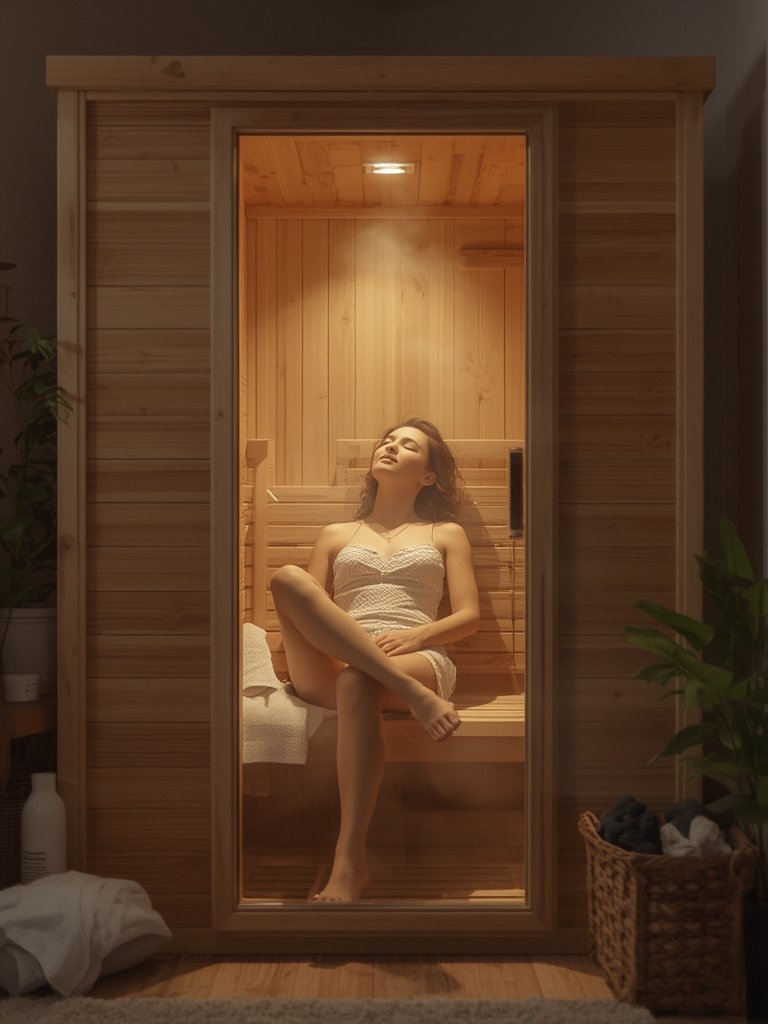
Portable saunas are easier to own than ever—and demand for the sauna box category is only going to rise as urban wellness trends continue. Just remember: a sauna box works best for those who value simple, flexible routines and realistic, at-home recovery. There’s little credible data on long-term health outcomes or product durability, so weigh the convenience and potential ROI against these uncertainties. Ready to reclaim your relaxation space? A sauna box may be the wellness investment that finally fits your apartment.
Want more next-gen compact living advice? Explore our guides to creating healthier, cleaner, and more efficient small spaces.
FAQ
Can you safely use a sauna box in a small apartment?
Yes, as long as you use it on a non-flammable surface, ensure proper ventilation after use, and avoid shared outlets or extension cords. Always check the wattage, especially in older buildings.
How long should sessions last, and how often can I use a sauna box?
Most users opt for 15 to 30 minute sessions, 2-4 times per week. Always follow manufacturer guidance and listen to your body’s warning signs.
What’s the difference between a sauna box and traditional sauna units?
A sauna box is portable, plug-in, and designed for tight or temporary spaces. Traditional saunas are fixed, often larger, and require permanent installation and electrical work.
Are any scientific health benefits of sauna box use proven?
No studies currently verify the health effects of regular portable sauna box use at home. Benefits of traditional sauna bathing are clearer, but the evidence for compact models is still lacking. Consult your healthcare provider, especially if you have pre-existing health conditions.
What hidden costs or maintenance issues should buyers expect?
Budget for yearly cleaning supplies, replacement chair liners, and possible accessory upgrades. Shipping for returns or warranty replacements can also add $20-$50 per incident.