

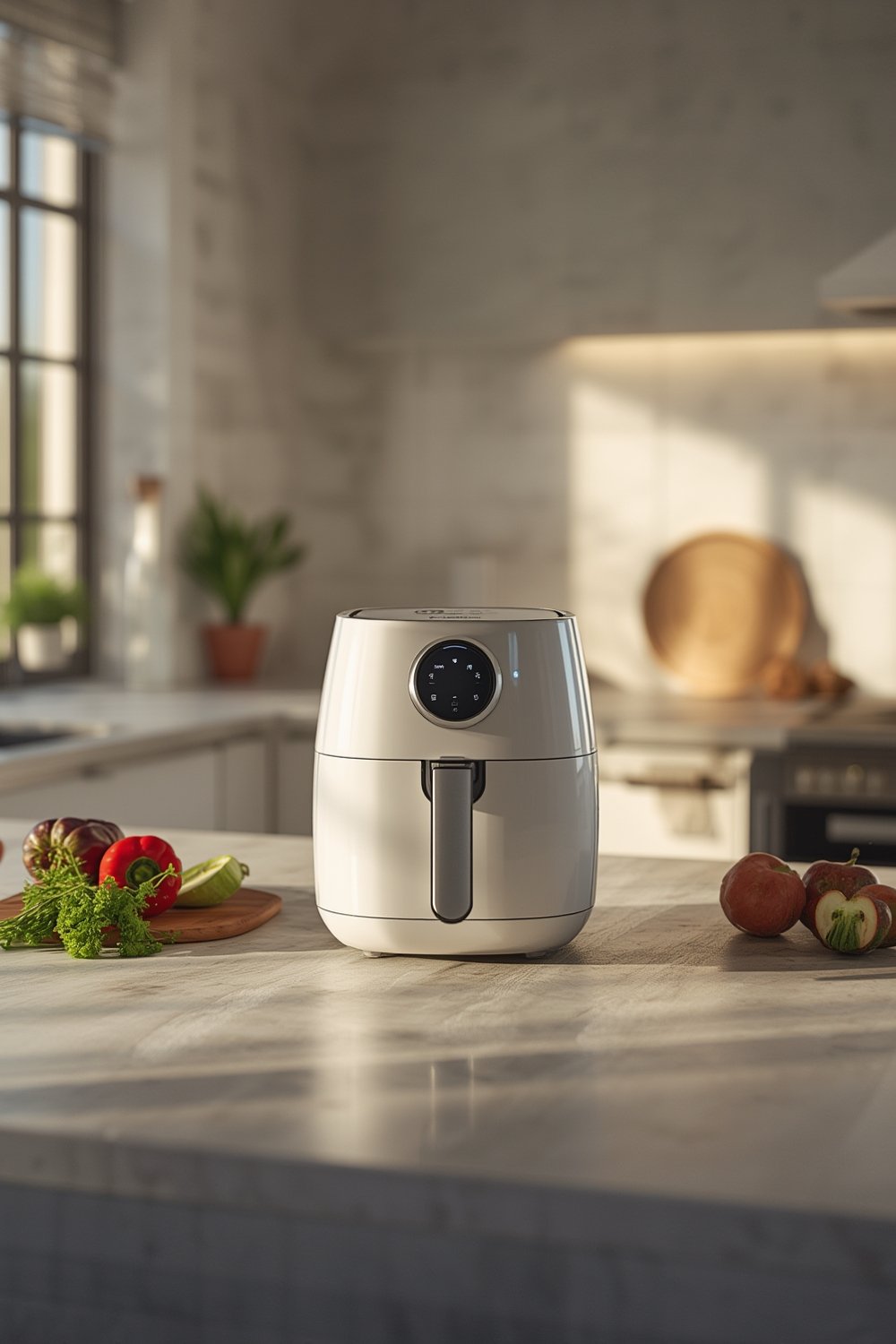
portable air fryer ownership is surging—not just for kitchens, but in places like dorm rooms, apartments, and even RVs. No longer just a countertop luxury, today’s compact air fryers meet the needs of small-space and on-the-go living, bringing crispy results—and unique challenges—wherever you call home.
Key Takeaways
- Compact air fryers up to 3 liters are growing fastest, especially for dorms, apartments, and travel needs.
- Few resources cover real user experiences, detailed specs, or safety info—research before buying.
- Practical use in tight spaces requires attention to capacity, wattage, and easy cleaning features.
- What is a Portable Air Fryer and Why Does It Matter?
- How to Choose and Use a Portable Air Fryer in Small Spaces
- Advanced Analysis & Common Pitfalls for Portable Air Fryer Users
- Conclusion
- Frequently Asked Questions
What is a Portable Air Fryer and Why Does It Matter?
Portable air fryers are compact, low-wattage appliances designed to deliver crispy, evenly cooked food in small living spaces like dorms, apartments, or while traveling. Smaller than traditional oven-style air fryers, these models prioritize efficiency and portability, making them ideal for single-person households and situations where kitchen space—or even a kitchen itself—is limited.
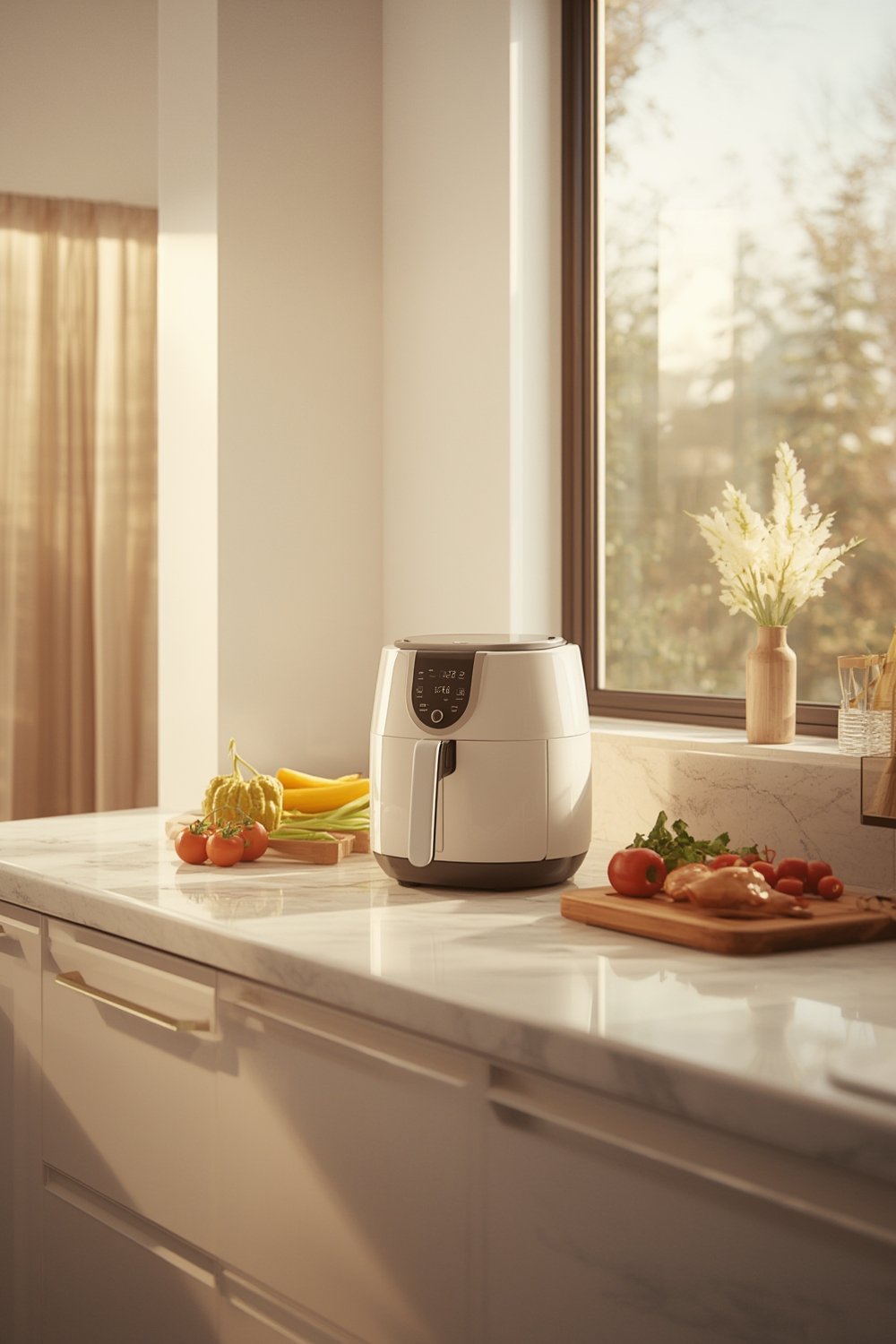
According to a recent research report, the global air fryer market hit $1.4 billion in 2024 and is projected to reach $1.5 billion in 2025, driven by health-conscious consumers and the convenience of low-oil cooking. Notably, up to 3-liter models—perfect for single users or travelers—are logging the fastest growth, reflecting the shift toward smaller, multi-use living environments.
Basket-style portable air fryers—often weighing under 10 pounds, using under 1200 watts, and requiring minimal counter space—dominate this segment. With increasing energy costs and limited kitchen facilities in dorms and apartments, these devices are more relevant than ever.
If you’re unsure which size or style fits your needs, explore our guide to air fryers for small kitchens for more tailored recommendations.
How to Choose and Use a Portable Air Fryer in Small Spaces
Choosing and using a portable air fryer involves more than just picking the smallest unit. Here’s a realistic process built on industry trends and practical know-how:
- Assess Your Space and Power Limits. Measure your available counter or storage area, and check power outlet wattage (dorms and RVs may restrict this). Most portable units run at 800–1200 watts and offer 1–3-liter capacity; pick accordingly.
- Pirioritize Features Based on Your Lifestyle. For frequent travelers, look for folding handles, locking lids, and non-slip bases. In apartments or shared dorm kitchens, a noise-reduced motor and simple controls are ideal.
- Understand Cooking Capacity vs. Real Needs. A 2-liter basket works for snacks, single meals, or two small portions, but might frustrate if you host guests. Balance portability with the kinds of meals you actually want to make.
- Check Accessories and Cleaning Requirements. Nonstick, removable baskets and dishwasher-safe parts save cleaning time—a must if you lack a full sink or dishwasher. Some models charge extra for replacement baskets or racks.
- Compare Real-World User Reviews and Specs. External reviews often skip over wattage, actual noise levels, or cleaning hassles. Look for manufacturer spec sheets, Reddit community input, or forums for dorm air fryer advice.
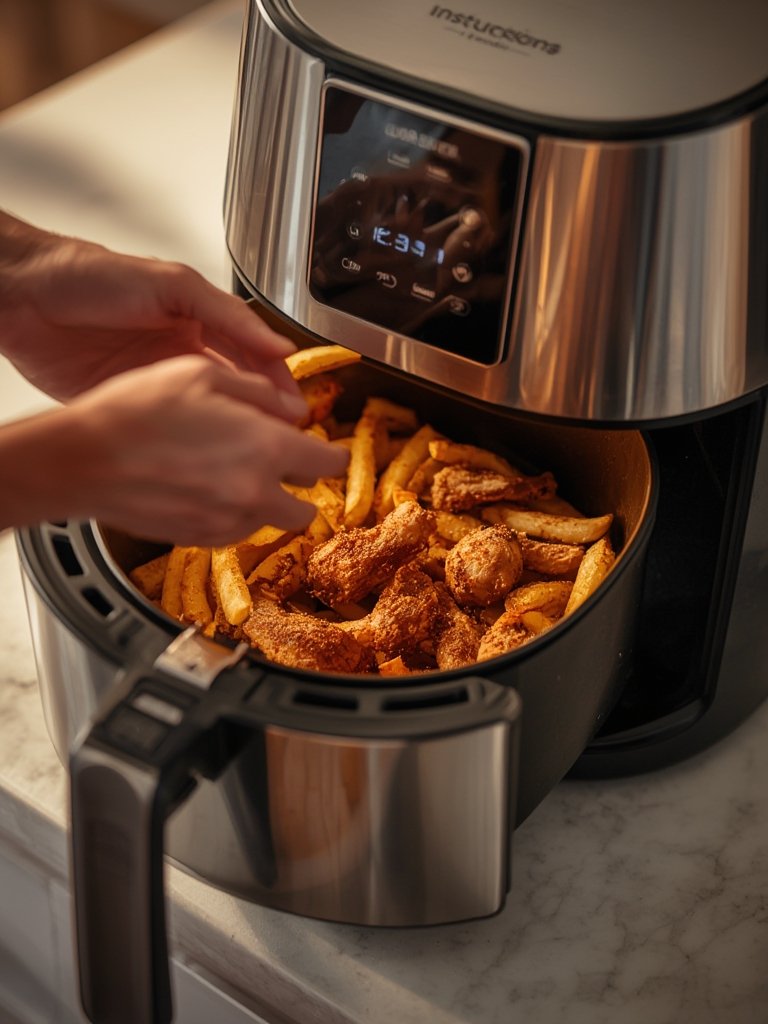
For a full breakdown of air fryer accessories for small spaces and easy cleaning, see our guide on recommended accessories for apartment air fryers.
When prepping for travel, pack your air fryer upright and cushion the basket with a soft cloth or old towel. Always secure the plug so posts don’t bend or break.
Ready to get started? Our complete portable air fryer travel tips will help you avoid rookie mistakes when using your mini fryer away from home.
Advanced Analysis & Common Pitfalls for Portable Air Fryer Users
Despite their benefits, portable air fryers have quirks and drawbacks that often go unmentioned in product ads or mainstream reviews. Based on industry shifts and market data, here’s what sets realistic expectations:
- Limited Capacity: Up to 3L baskets restrict meal size; bulky items or multiple servings may need batches. Some models barely fit a chicken breast or two servings of fries.
- Power and Noise Constraints: Lower-watt models take longer to cook. Motors in budget models can be loud, which might disturb roommates or travel companions.
- Durability and Cleaning: Low-cost models may use thinner nonstick coatings or flimsy baskets. Frequent travel can accelerate wear (loose handles, basket warping) if you’re not gentle.
- Lack of Safety Certifications: Most portable fryers don’t make safety or recall information easy to find. Check for UL or CE marks, especially if you buy lesser-known brands.
- Accessory and Warranty Costs: Entry models are cheap, but replacement baskets or racks, or extended warranties can add up quickly. Not all brands offer easy-to-source parts.
| Feature | Compact Portable | Standard Countertop |
|---|---|---|
| Capacity | 1–3 liters | 4–8 liters |
| Average Wattage | 800–1200W | 1400–2000W |
| Typical Weight | 4–8 lbs | 10–18 lbs |
| Noise Level | 50–65 dB | 60–70 dB |
| Price Range (2024) | $40–$85 | $80–$220 |
| Common Issues | Capacity, cleaning, durability | Bulky, higher power draw |
Want details on real-life air fryer durability and cleaning? Check our air fryer maintenance guide for longevity tips.
Still have questions about parts, safety, or brand comparison? Dive into external research at Fortune Business Insights or Future Market Insights to understand the latest sales and brand trends.

Conclusion
Portable air fryers blend compact convenience with healthier cooking, making them a top choice for dorms, apartments, and travel. However, it’s vital to manage expectations around capacity, cleaning, power needs, and possible accessory costs. Review specs, user experiences, and certifications so that your portable air fryer serves you well in any situation. Ready to see which models rank best for your needs? Check out our latest rankings and detailed buying advice—and start air frying wherever you call home.
Frequently Asked Questions
How big is a typical portable air fryer?
Most portable models hold between 1 and 3 liters, with a footprint similar to a large kettle or small rice cooker—perfect for dorm rooms or apartment counters.
Is it safe to use a portable air fryer in a dorm or RV?
Yes, if you follow wattage limits and avoid blocking vents. Always check for UL or CE safety certifications, and never leave the fryer operating unattended.
Do portable air fryers cook as well as larger ones?
For small portions and single meals, yes. Larger items may require batch cooking, and performance can vary based on wattage.
How much do replacement baskets or parts cost?
Prices vary by brand but can range from $10–$30. Some portable models don’t make replacement parts easy to find, so check availability before purchase.
Are portable air fryers noisy?
Compact units can be surprisingly loud—typically 50–65 decibels. Look for noise ratings in user reviews if quiet operation is important to you.