

HEPA air purifier technology is the gold standard for combating wildfire smoke, seasonal allergies, and airborne particles in bedrooms, but real-world results and buying recommendations aren’t always clear. This guide covers what current research actually proves, what matters most for your purchase, and how to avoid common pitfalls when choosing your next HEPA air purifier.
Key Takeaways
- HEPA air purifiers can reduce indoor PM2.5 from wildfire smoke and allergens by up to 78.8 percent in home environments.
- Combining HEPA and carbon filters is best for tackling particle pollution and stray gases, but there is limited data on pet odor effectiveness.
- Maintenance costs, filter changes, and CADR ratings should guide your bedroom air purifier selection for reliable performance.
- What is a HEPA Air Purifier and Why Does it Matter in 2024?
- How to Pick and Use a HEPA Air Purifier for Bedroom Air Quality
- Advanced Analysis & Common Pitfalls of HEPA Air Purifiers
- Conclusion
- FAQ
What is a HEPA Air Purifier and Why Does it Matter in 2024?
HEPA stands for High Efficiency Particulate Air. A HEPA air purifier uses a dense mechanical filter that captures at least 99.97 percent of particles as small as 0.3 microns. This includes dust, pollen, wildfire smoke particles, and some allergens. In 2024, interest in bedroom air quality has surged due to increased wildfire events and heightened allergy seasons, making the HEPA air purifier an essential tool for cleaner indoor living.
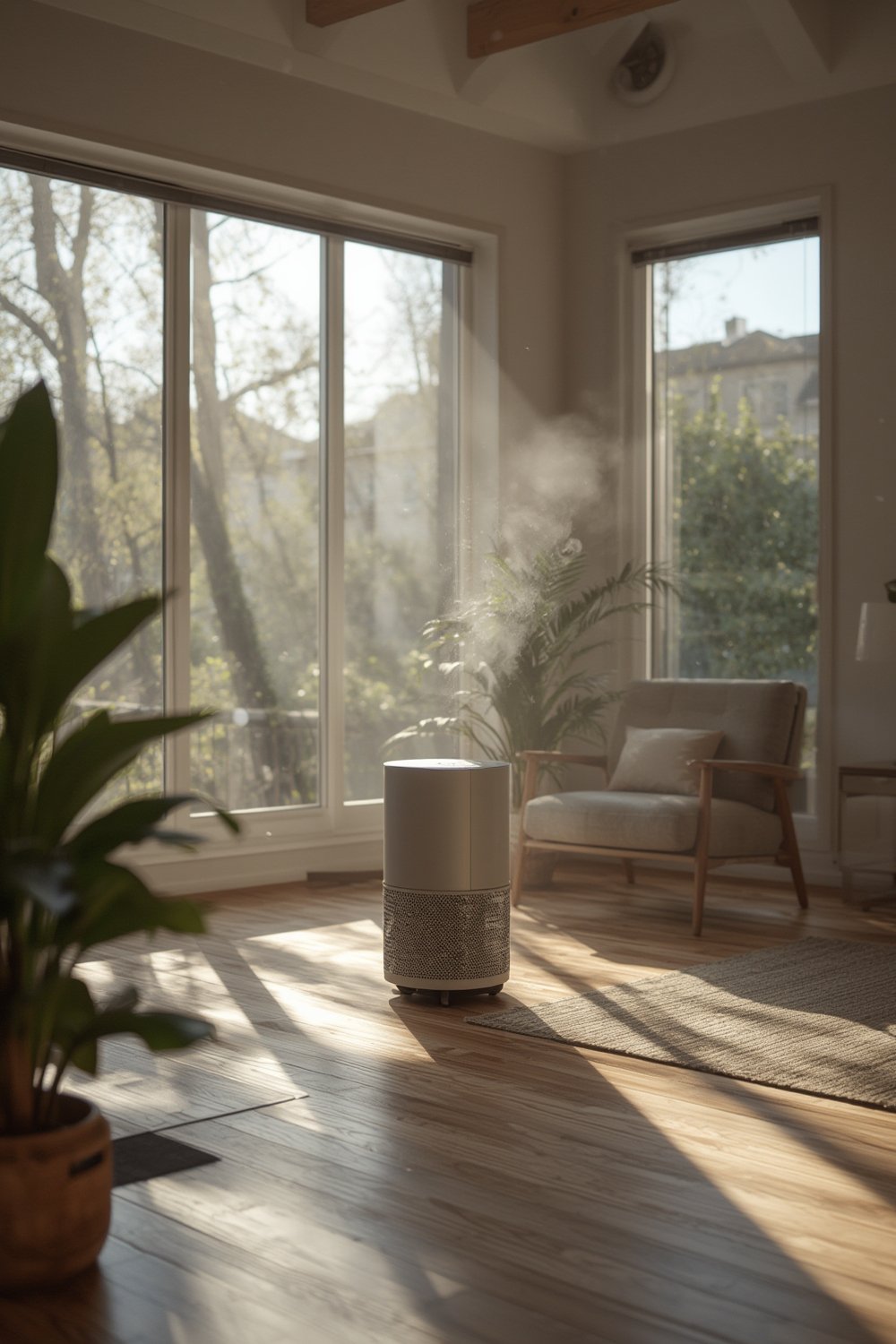
Recent studies show that using a HEPA air purifier in a bedroom can reduce indoor PM2.5 levels by 45 percent over several months, and up to 78.8 percent in day-to-day residential use (source, source). These reductions are significant for people concerned about wildfire smoke, allergies, and asthma symptoms.
Pairing the right HEPA unit with bedroom size and air changes per hour (ACH) dramatically improves breathing comfort. If you are also interested in air quality during cooking or in tighter living spaces, check out our guide to air fryer for dorm which covers compact solutions for small homes.
How to Pick and Use a HEPA Air Purifier for Bedroom Air Quality
Choosing and operating the right HEPA air purifier is more than just picking the highest-rated product—it’s about matching features to your home’s real needs.
- Measure Your Bedroom: Calculate the room’s square footage. For best results, look for an air purifier that matches or exceeds your room size and achieves at least 4-5 air changes per hour (ACH).
- Check the CADR Rating: The Clean Air Delivery Rate (CADR) tells you how quickly an air purifier cleans smoke, dust, or pollen from the air. A higher CADR means faster cleaning. For bedrooms, look for smoke CADR of at least 150+ cfm (source). If you have severe allergies or live in wildfire regions, aim higher.
- Choose HEPA for Particle Removal: HEPA filters are extremely effective for smoke and allergens but don’t trap gases or odors. To address smells or volatile chemicals, pick a combination HEPA + activated carbon unit. For more on hybrid solutions, see our article on best multi cooker which also tackles “combo” solutions for home efficiency.
- Set Up Smartly: Place your air purifier near your bed, away from walls and obstructions. Close doors and windows while it runs. Use the highest fan speed to clear the air, reducing to medium or low for sleep.
- Maintain Filters & Monitor Air Quality: Set calendar reminders to clean pre-filters and change main filters. If your air purifier has a real-time air quality sensor or indicator, track it to optimize your usage pattern.
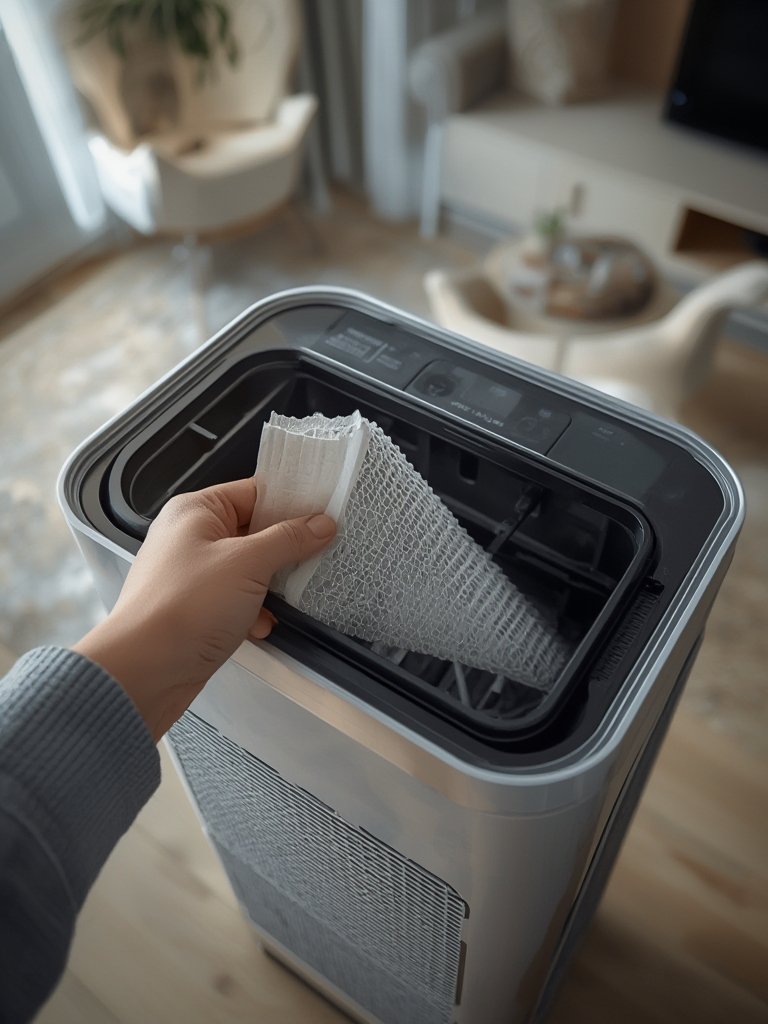
Keep other sources of indoor pollution under control—avoid burning candles, limit open windows during poor air quality days, and vacuum with a HEPA-equipped vacuum. If you’re big on keeping kitchen spaces clean (where airborne particles also collect), check our tips on air fryer cleanup hacks for cleaner home routines.
Advanced Analysis & Common Pitfalls of HEPA Air Purifiers
Studies back up the significant drop in PM2.5 and PM10 levels with HEPA air purifier use—even reducing outdoor-derived smoke particles by more than 80 percent with continuous operation (source, source). However, there are important limitations, missing data points, and purchase pitfalls to consider:
- Limited Scope for Pet Odors: While HEPA removes airborne dander (PM2.5), it does little for lingering pet odors or gases. Only HEPA/carbon filter combos can provide partial odor and NO2 reduction.
- Filter Costs & Electricity: Detailed breakdowns on filter replacements or power consumption are still lacking in public data, but users should expect $40–$120 yearly in filters for mid-range units, and modest monthly electricity use (comparable to a small fan running continuously).
- Unclear Certification Standards: Most manufacturers market “true HEPA” filters that meet the 99.97 percent at 0.3 µm benchmark, but not all display third-party AHAM or ENERGY STAR certification. If energy use or independently verified claims matter to you, verify these before you buy.
- High CADR ≠ Quieter Operation: Units with the highest CADR might also be the loudest, especially on maximum speed. For light sleepers or apartments, balance air-cleaning power with decibel rating and night mode settings.
- Placement Problems: Blocking airflow by putting the unit behind furniture or too far from the bed dramatically reduces effectiveness. Always allow open space around the intake and output vents.
| Feature | HEPA Filter | Carbon Filter | HEPA + Carbon |
|---|---|---|---|
| Smoke & Particulate Removal | Excellent (PM2.5/PM10 reduction up to 78.8%) | Minimal | Excellent |
| Odor & Gas Reduction | None | Good (for gases like NO2, VOCs) | Good |
| Allergen Control | Strong | Minimal | Strong |
| Pet Dander | Strong for airborne dander | Minimal | Strong + partial odor |
| Typical Longevity | 6-12 months | carbon filters | 6-12 (HEPA), 2-6 (Carbon) |
For those with compact spaces, balancing noise, airflow, and cleaning power is key—see our compact espresso machine reviews for more tips on optimizing small living areas.
Another overlooked issue: placement and competing air currents (like HVAC systems or open windows) can dilute the purifier’s effect. Use closed rooms for the best particle removal. And if you’re managing appliances across multiple rooms, consolidation—like a multi cooker—can simplify your workflow.
Conclusion
HEPA air purifiers are a proven, largely maintenance-friendly way to reduce bedroom exposure to particulate pollution from wildfires, allergens, and airborne dander. Make sure to select a unit with a verifiable CADR rating, maintain filters on schedule, and consider a HEPA plus carbon design if gases or odors matter to you. For renters and anyone optimizing small spaces, check out our reviews of mini air fryer for apartment that deliver big results in compact packages. Breathe easier—choose a HEPA air purifier tuned to your bedroom and indoor air quality needs today.
Ready to reclaim your indoor air? Pick a tested HEPA air purifier and commit to a regular filter maintenance plan for results you can smell and feel.
FAQ
Does a HEPA air purifier really help with wildfire smoke?
Yes. Multiple studies found HEPA air purifiers can reduce indoor PM2.5 from wildfire smoke by up to 78.8 percent when run continuously in homes (source).
Can a HEPA air purifier remove pet odors?
HEPA filters remove pet dander but not odors. For odors, you need a HEPA/carbon combo filter. Effectiveness with odors varies and isn’t always guaranteed.
How often do I need to change HEPA air purifier filters?
Replace HEPA filters every 6-12 months and activated carbon filters every 2-6 months. Some models provide replacement indicators, but it’s best to follow a set schedule for top performance.
What CADR rating should I look for in a bedroom air purifier?
Look for a smoke CADR of at least 150+ cfm for bedrooms. If you have allergies, pets, or wildfire smoke in your area, higher CADR ratings deliver faster results.
Are there certifications to look for with HEPA air purifiers?
Seek units labeled as “true HEPA” (99.97 percent at 0.3 µm). While certifications like AHAM and ENERGY STAR add trust, not all units display these. Always check manufacturer specs and independent testing where possible.