

Cordless blender technology has reshaped how people make smoothies, protein shakes, and dressings at home, in the gym, or while traveling. Whether you want zero-cord freedom or compact power wherever you go, here’s what you need to know to get real results—and avoid common frustrations.
Key Takeaways
- Global cordless blender sales hit USD 582 million in 2024 with strong growth driven by demand for portability and compact kitchen appliances.
- Battery life and torque are common concerns—premium models offer major advances, but most cordless models can’t match corded power for heavy blending tasks.
- Top-rated cordless blenders prioritize safety locks, stainless steel blades, and ergonomic design—but specs like battery runtime and real RPMs are rarely disclosed.
- What Is a Cordless Blender and Why Use One?
- How to Choose and Use a Cordless Blender: Step-by-Step
- Advanced Analysis and Common Pitfalls
- Conclusion
- FAQ
What Is a Cordless Blender and Why Use One?
A cordless blender is a compact, battery-powered appliance designed to blend drinks or food where traditional plug-in blenders aren’t practical. Powered by internal lithium-ion batteries and often recharged via USB, these portable devices give you freedom to blend at the office, gym, outdoors, or in small spaces where cords get in the way.
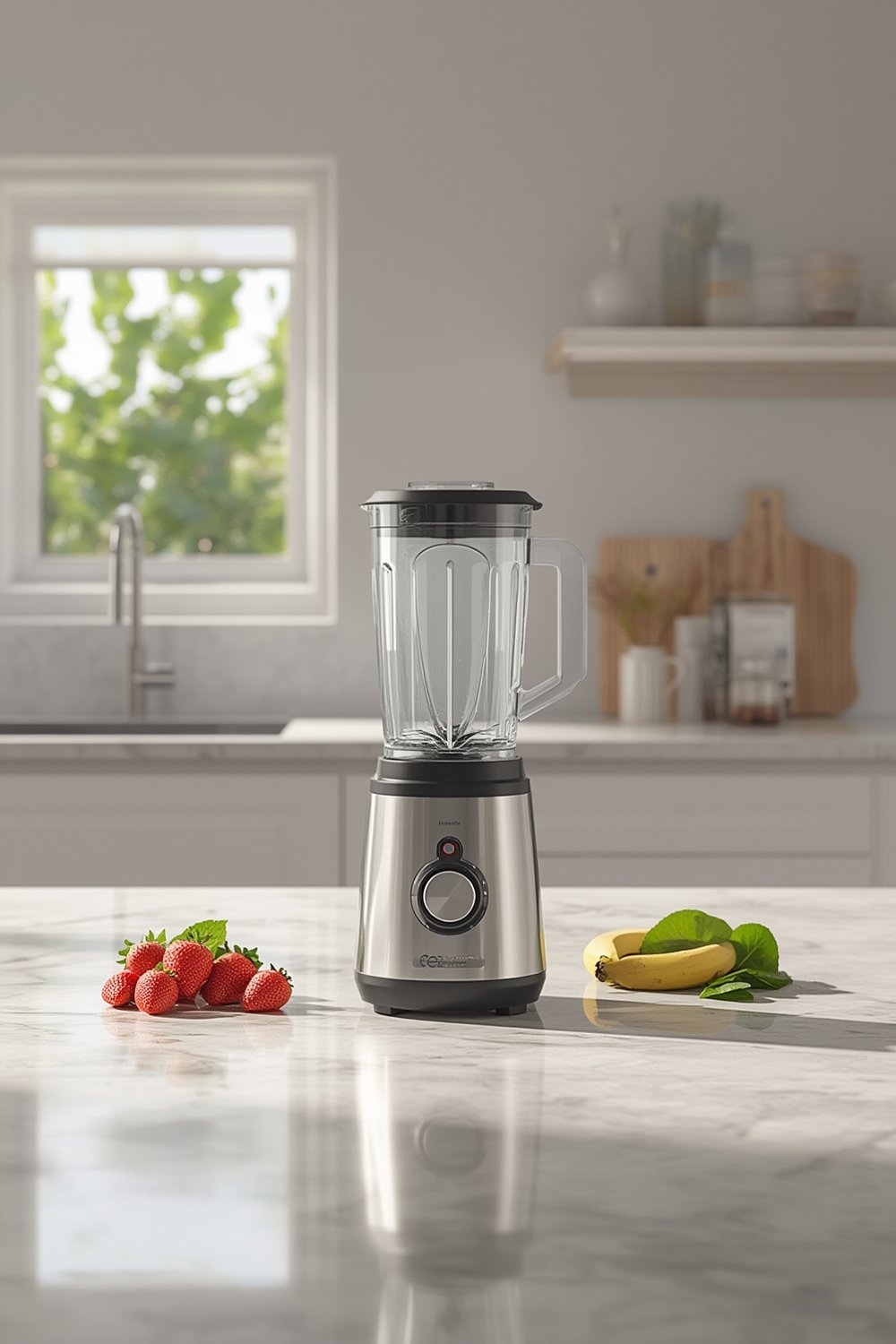
The core benefit is flexibility. If you often move between locations, live in a dorm, travel for work, or simply want fresh protein shakes right after a workout, a cordless blender makes it seamless. In fact, global revenue for these devices is expected to soar, with premium models growing at nearly 9% CAGR fueled by modern lifestyles.
Cordless blenders also offer major advantages for renters and small apartment dwellers who have limited counter space. Compared to full-size blenders or kitchen systems, portable models are quick to clean and easy to store. Many now use stainless steel blades, safety lock mechanisms, and BPA-free materials to minimize risk and boost user confidence.
Demand for compact, multipurpose appliances is rising—just as with the surge in portable air fryers for dorms and small apartments.
How to Choose and Use a Cordless Blender: Step-by-Step
-
Identify Your Primary Use Case
Are you making smoothies and shakes, or do you need to crush ice and blend tough fruits? Not all cordless blenders are built for the same intensity, and real torque matters when handling thick or icy mixes. -
Check Technical Specs That Matter
Look for:- Battery capacity: Most brands don’t publish precise mAh, but premium models prioritize lithium-ion longevity.
- RPM: Still rare to find disclosed numbers, but higher is generally better for smooth blends.
- Blades: stainless steel blades construction is safer and more durable for daily use.
- Cup size: The leading segment is 300–500 ml, ideal for single-serve or small-batch recipes.
- Material safety: BPA-free plastic, shatter-resistant cup, ergonomic handle.
💡 Pro Tip: If you plan to blend protein shakes on the go, prioritize models with a safety lock and leak-proof seal—the #1 source of travel blender frustration is bag leaks.🔥 Hacks & Tricks: For faster blending and longer motor life, chop firm fruits or ice into smaller chunks before dropping them in your cordless blender. This reduces motor strain and battery draw—especially useful on trips. -
Evaluate Safety Certifications
Search for safety lock mechanisms, food-grade certifications, and brands (like KitchenAid, Braun, Ninja, Breville, or Cuisinart) noted for strict safety standards and ergonomic design. -
Compare Pricing & Key Features
Entry-level cordless blenders are generally priced below USD 100, offering basic blending for softer ingredients. Premium models (above USD 100) deliver better battery longevity, advanced blades, and more ergonomic features—plus patents for cordless reliability. If you want tech that just works, the extra investment pays off. -
Understand Charging and Runtime Limitations
Most brands do not publish real USB charging time or precise cycles per charge—this is a main information gap in the market. As a guide, expect one to several smoothies on a single charge unless the ingredients are extra thick. If frequent travel or daily use is your priority, consider buying a backup charger or charging cable.
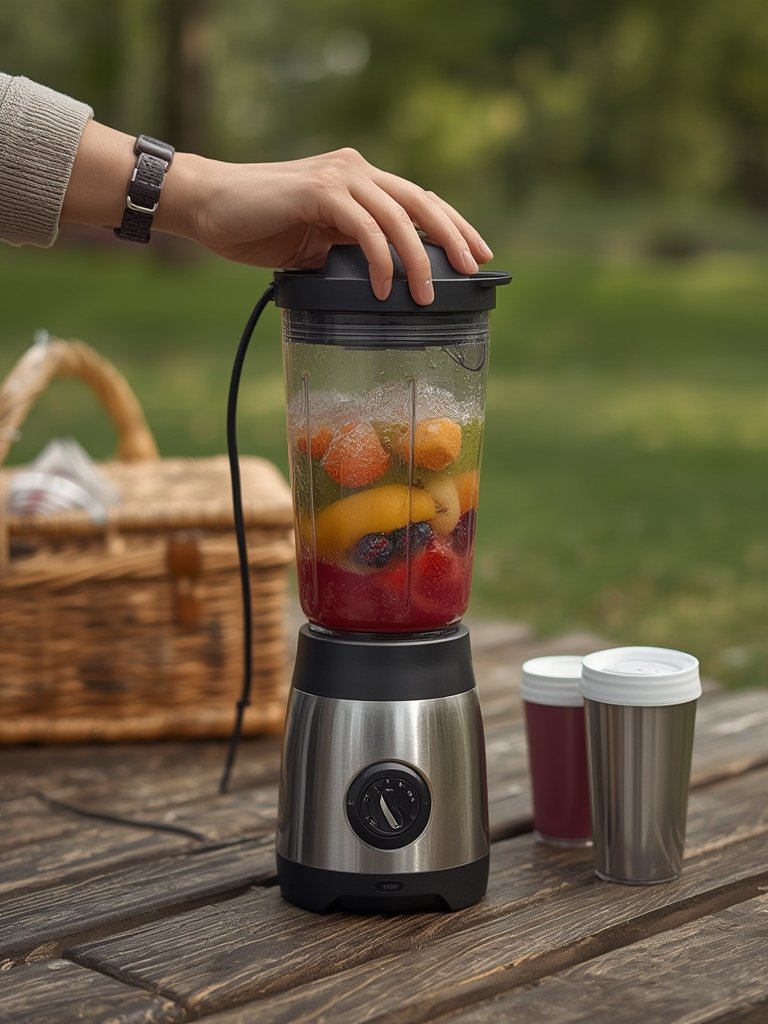
For compact apartment kitchens, cordless blenders pair well with other space-saving appliances such as a small espresso machine or multi cooker for ultimate daily convenience.
Advanced Analysis and Common Pitfalls
Cordless blenders have surged in popularity, but they’re not without issues. Here are the three most frequent sticking points—plus a quick comparison between entry-level and premium cordless blender features:
| Feature | Entry-Level (< USD 100) | Premium (> USD 100) |
|---|---|---|
| Battery Life | Shorter runtime, basic Li-ion cells, no published cycle data | Advanced battery management, longer runtime, faster recharge |
| Motor Power | Lower torque, struggles with ice/thick mixes, limited speed control | Improved torque, handles frozen fruit/ice, multi-speed options |
| Safety/Material | Plastic blades, small cup, minimal safety locks, leaks possible | Stainless steel blades, BPA-free and shatter resistant, certified locks |
| Portability/Weight | Lighter, sometimes too flimsy, prone to leakage, less durable | Balanced, reinforced, leak-proof, durable for frequent travel |
Battery Constraints: Even top models sometimes experience runtime drops due to lithium-ion supply quality or cold conditions. Plan to bring a backup charger on long trips, and expect weaker battery output if you frequently blend heavy ingredients.
Motor Power: Cordless models can’t match the brute force of corded blenders (200-1200W), so high-protein shakes loaded with ice may need extra blending time or pre-chopping for best texture.
Portability Complaints: The most common travel gripes are leaks, broken seals, and extra weight. Before purchase, read user reviews or invest in a model known for solid leak protection and a reliable cup design—similar to the rise of air fryer liners for clean cooking.
Safety: Quality cordless blenders feature safety locks and ergonomic handles. Companies like De’Longhi have developed patents to improve lock reliability.
If you blend outdoors or need healthier snacks, consider pairing with a frozen dessert maker for ultimate variety.
Conclusion
Cordless blenders unlock real flexibility for active people, small households, and anyone craving blended drinks anywhere—without outlet hassles. Premium models feature smart safety locks, efficient batteries, and stainless steel blades. But all cordless blenders, regardless of price, have limits when it comes to battery life and motor torque. Always check safety features, read real customer reviews, and know your use case before buying.
If you want more freedom in how and where you blend, and fresh results with less mess, a cordless blender could be the next essential upgrade for your countertop or gym bag. Ready to upgrade your kitchen setup? Start comparing top cordless models today.
FAQ
How long does it take to charge a cordless blender via USB?
Most brands don’t publish exact charging times. In real-world use, expect roughly 2-4 hours for a full charge, but this varies widely between models. Always check your product’s manual for best results.
How many blend cycles do you get per charge?
Blend cycles per charge depend on the battery, ingredient density, and cup size. Most users get between 5 to 15 single-serve smoothies, but blending tougher mixes or ice will drain the battery faster.
Can you blend ice and frozen fruit in a cordless blender?
Premium models with better torque and stainless steel blades can handle ice and frozen fruit. Entry-level blenders may struggle or require ingredients to be chopped smaller before blending.
What certifications or safety features should I look for?
Look for safety lock mechanisms, BPA-free and shatter-resistant cups, stainless steel blades, and reliable ergonomic handles. Certifications may include FDA or LFGB compliance for material safety.
What’s the average price range for the best cordless blenders in 2024?
Entry-level models are usually under USD 100, while premium cordless blenders with enhanced batteries, blade technology, and safety features are priced above USD 100.