

Compact espresso machine ownership is fast becoming the norm for coffee lovers who want café-quality drinks at home without surrendering valuable counter space or spending a fortune. If you’re considering one, this guide reveals the latest 2024 data and real-world strategies to help you pick—and perfect—your compact coffee setup, with special attention to the Breville Bambino and its rivals.
Key Takeaways
- The compact espresso machine market is booming in 2024, driven by small homes, remote work, and demand for affordable café experiences at home.
- No espresso machine is perfect—expect tradeoffs in noise, learning curve, and accessories, especially in $300-and-under models like the Breville Bambino.
- Most competitor guides skip setup costs and day-to-day usability headaches; this post covers both to help you avoid buyer’s remorse.
- Understanding Compact Espresso Machines: What & Why
- How to Choose and Optimize a Compact Espresso Machine
- Advanced Analysis & Common Pitfalls
- Conclusion
- Frequently Asked Questions
Understanding Compact Espresso Machines: What & Why
Compact espresso machines are small-footprint countertop coffee makers, designed to fit into tight kitchens, dorms, and apartments while providing quality espresso shots. As of 2024, demand for compact, user-friendly, and energy-efficient espresso machines is stronger than ever—sales grew 30 percent globally for home models from 2020-2022, and the compact machine segment is projected to nearly double in value by 2034.[source] The “compact” trend is driven not just by smaller living spaces but also by a desire for convenient, café-level coffee without the barista training—or the price tag—of commercial machines.

Modern compact espresso machines, like the Breville Bambino, typically offer essential features in a reduced form factor: reliable pressure for extraction, rapid heating for busy mornings, and straightforward controls for beginners. Most target a price under $300, appealing to first-time buyers looking to save on daily takeout. European shoppers lead the way, but Asia-Pacific’s appetite for affordable, feature-rich options is growing fastest.[source]
Convenience and flexibility are key. Just as you’ll find mini air fryers ideal for apartments, today’s best compact espresso makers deliver the experience with minimal mess and maximum adaptability—all without hogging your kitchen.
How to Choose and Optimize a Compact Espresso Machine
Ready to invest in a compact espresso machine? Follow these steps for a hassle-free, value-packed setup that fits your space and skill level.
-
Assess your space and needs.
- Measure your available counter area—including height, as many compact machines require space for a grinder on top or nearby.
- Consider noise sensibility; while compact machines aim for quiet operation, reviews do report pumps and steam wands can get loud in hard-floored, small kitchens.
- Determine your drink preferences—standard espresso, milk drinks, or both.
-
Research machine specs and usability.
- For machines under $300, prioritize models with 9-bar pressure capability (standard for espresso), rapid heat-up (under 30 seconds is ideal), and a removable water tank for easy filling.
- Look for simple controls and auto-shot features if you’re a beginner.
-
Account for the full beginner setup cost.
- Budget for a quality burr grinder (often $60 to $120 for entry models), tamper, and a milk frothing pitcher if your machine includes a wand.
- Expect an all-in cost (machine plus required accessories) in the $250 to $500 range, depending on your priorities and upgrades. Many retailers promote bundle deals, but check component quality closely.
-
Consider upgrade paths.
- Some entry-level compact machines use pressurized baskets or have limited steam power—fine for beginners, but you may want to upgrade baskets, wands, or even machines as you improve.
- Check compatibility for common accessories (like baskets or filters) before you buy.
-
Read trustworthy reviews and user experiences.
- Remember: Not all pain points show up in marketing copy. Research forums and recent user reviews to gauge reliability and ease of use, especially for well-known models like the Breville Bambino. While 2024 research lists Breville as a top player, detailed complaints around size or shot quality are rare in online data.[reference]
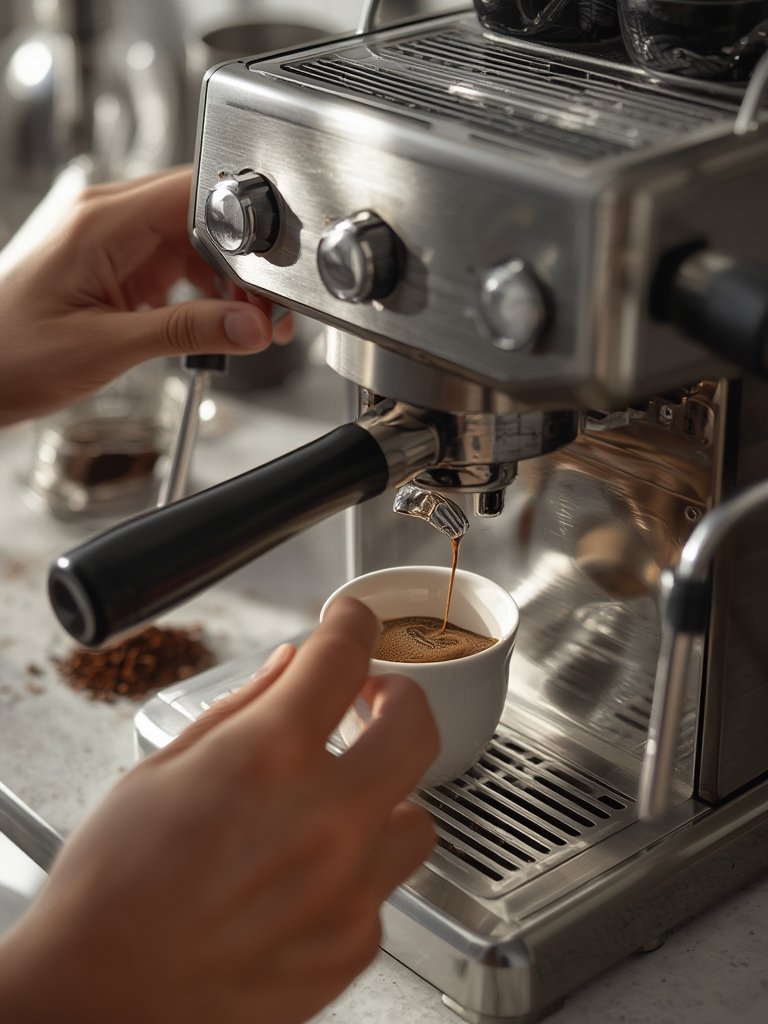
For owners in apartments or tiny homes, storage can be as important as usability. Use vertical shelving or a dedicated appliance cart to keep your coffee space organized. This approach also works wonders for those setting up small appliances like a compact air fryer to complement their minimalist kitchen.
Advanced Analysis & Common Pitfalls
No compact espresso machine is without drawbacks—especially at the under-$300 price point. Here’s a realistic look at what you might face, and how the Breville Bambino compares to common alternatives:
- Noise levels: Expect moderate pump and steam noise, noticeable in smaller apartments with hard floors or thin walls. No machine in this range is truly silent.
- Footprint: Even “compact” models can crowd a cluttered counter or require creative storage solutions. Always check true dimensions—including with portafilter and water tank extended.
- Learning curve: Opt for models with pre-set shot buttons or beginner-friendly guides. Some entry-level units, including the Breville Bambino, are designed with simplicity in mind but still require basic barista knowledge for best results.
- Shot quality consistency: Entry-level compact espresso machines can fall short of commercial consistency, particularly if paired with a sub-par grinder or with single-wall filter baskets. This is a common source of user dissatisfaction in reviews.
- Accessories and upgrades: True all-in costs are higher than the sticker price. Essential extras include a proper grinder, tamper, and (for milk drinks) a decent pitcher and thermometer. Many bundles include low-quality accessories, so research before buying.
- Warranty coverage: Breville and similar brands usually offer standard 1-2 year warranties, but detailed information on certifications or build standards for the Bambino and peers is not widely published for 2024.[source]
The table below summarizes key tradeoffs to expect with compact espresso machines in the $150-$300 range:
| Feature | Breville Bambino | Typical Compact Competitor | Real-World Impact |
|---|---|---|---|
| Retail Price | ~$300 | $100-$300 | Majority of quality beginners’ machines at upper end |
| Dimensions | N/A (small-footprint, but verify per version) | Similar; always check space needs | Size varies; storage is a major user concern |
| Pressure | Claims 9-bar standard | Usually 9-bar; some under-deliver | Consistency depends on model |
| Heating Speed | Fast (<30 sec typical) | 15–60 sec | Relevant for busy mornings |
| Ease of Use | Beginner-friendly controls | Varies; some steeper learning | Great for new users, but some patience needed |
| Durability/Warranty | Standard 1-2 yrs; no 2024 specifics | Usually 1 year; verify seller | No major difference, but details sparse |
| Accessories Cost | Extra (grinder, pitcher required) | Same; most not included | Expect $80-$200 for full setup |
For busy households, you might find a kitchen cleanup accessory as helpful for your espresso workflow as it is for an air fryer—quick maintenance helps offset daily mess.
Conclusion
The best compact espresso machine is the one that fits your space, budget, and habits—while letting you enjoy espresso without a constant learning curve or countertop chaos. Accept tradeoffs, plan for accessories, and prioritize real usability over specs on paper. The compact espresso machine trend is only growing, so take time to research, ask questions, and invest in the extras that ensure you’ll use—and love—your machine every day. Ready to elevate your kitchen? Start your compact espresso journey today.
Frequently Asked Questions
What features define a true compact espresso machine?
A true compact espresso machine has a space-saving footprint (often under 8 inches wide), removable water tank, 9-bar pressure pump, and a focus on simple, fast operation. Many skip built-in grinders to save space.
Does the Breville Bambino come with everything I need?
The Breville Bambino typically ships with a portafilter, some filter baskets, and a plastic tamper. For best results, budget for a quality burr grinder, metal tamper, and a separate pitcher if you plan on making milk drinks.
Are compact espresso machines suitable for apartments?
Yes—most are specifically designed for apartment living. Just be aware of noise, limited storage, and the need to budget for some extra accessories. Many users store their machine and accessories on a small rolling cart for flexibility.
How much should I expect to spend for a full beginner setup?
All-in cost—including a compact machine, basic grinder, tamper, and pitcher—is $250–$500 depending on brands and included features. Investing in a good grinder improves results much more than buying a fancier machine at the outset.
What pitfalls should I watch out for when buying my first compact espresso machine?
Watch out for hidden costs (accessories, maintenance), unclear warranty terms, and machines that are hard to clean in tight spaces. Always check real-life dimensions and the quality of included tools before buying.