

Air fryer liners have become an essential accessory for anyone looking to cook with less mess, reduce cleanup time, and protect their appliance—yet most buyers don’t realize there is more to picking the right liner than just grabbing the first pack you see online.
Key Takeaways
- The air fryer liners market is rapidly growing, with silicone liners leading the reusable segment and disposable paper liners remaining popular for convenience.
- Fit, material safety, and correct usage are critical for optimal results and appliance longevity.
- Simple steps and insider tricks can maximize your time savings and reduce cleanup frustrations.
- What Are Air Fryer Liners and Why Do They Matter?
- How to Use Air Fryer Liners: Step-by-Step Guide
- Advanced Analysis & Common Pitfalls
- Conclusion
- Frequently Asked Questions
What Are Air Fryer Liners and Why Do They Matter?
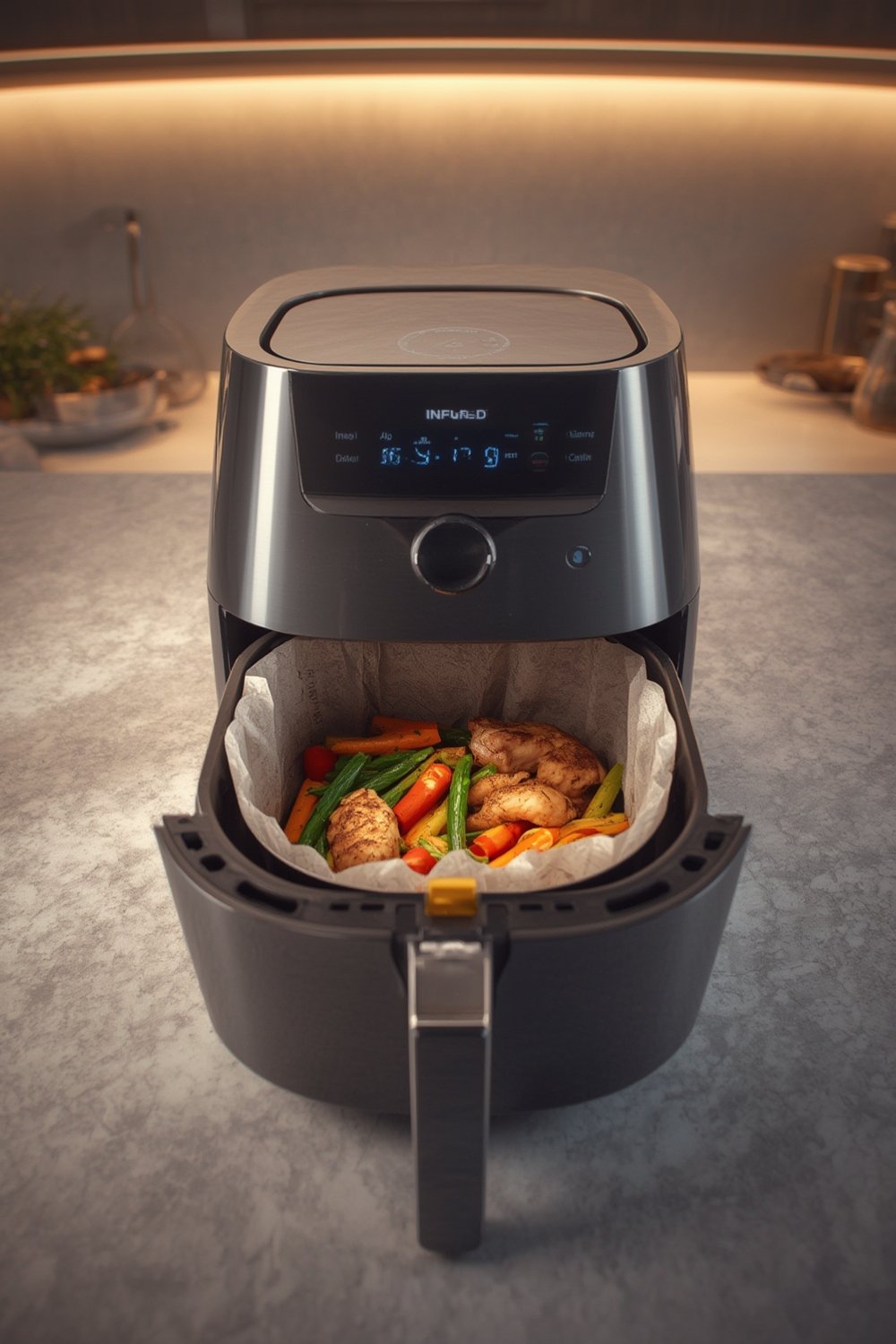
Air fryer liners are single-use (paper, parchment) or reusable (most often silicone) inserts designed to sit under food in your air fryer basket. Their main job is to catch drips, crumbs, and sticky residue, simplifying post-cooking cleanup and extending your appliance’s lifespan.
According to recent research, the global market for these liners was valued at roughly $1.2 billion in 2024, fueled largely by rising air fryer adoption in North America and a strong demand for convenience in daily cooking. Disposable liners, primarily paper-based, account for a major share, but the reusable silicone liner segment is experiencing faster growth due to sustainability trends and long-term cost efficiency.
For apartment dwellers, students, or anyone with limited kitchen space, air fryer liners transform a portable appliance into a true all-in-one solution—delivering cleaner, faster, and more versatile meal prep. If you’re looking for small-space cooking options, check out our portable air fryer guide for more tips.
How to Use Air Fryer Liners: Step-by-Step Guide
The difference between a smooth air fryer experience and an annoying one often comes down to how you use your liners. Get the basics—and real-world tricks—right with these steps.
-
Choose the Right Size and Type:
- Disposable paper liners are perfect for sticky or oily foods, quick jobs, or when time is tight.
- Reusable silicone liners are better for regular use, are more eco-friendly, and last through hundreds of cycles. They dominate 48% of the reusable market revenue as of 2024, thanks to their durability (source).
If you have a mini air fryer for your apartment, check the manual for basket shape and liner size suggestions. Many brands like Ninja and Cosori make their own accessories, but generic liners work well if you measure carefully.
-
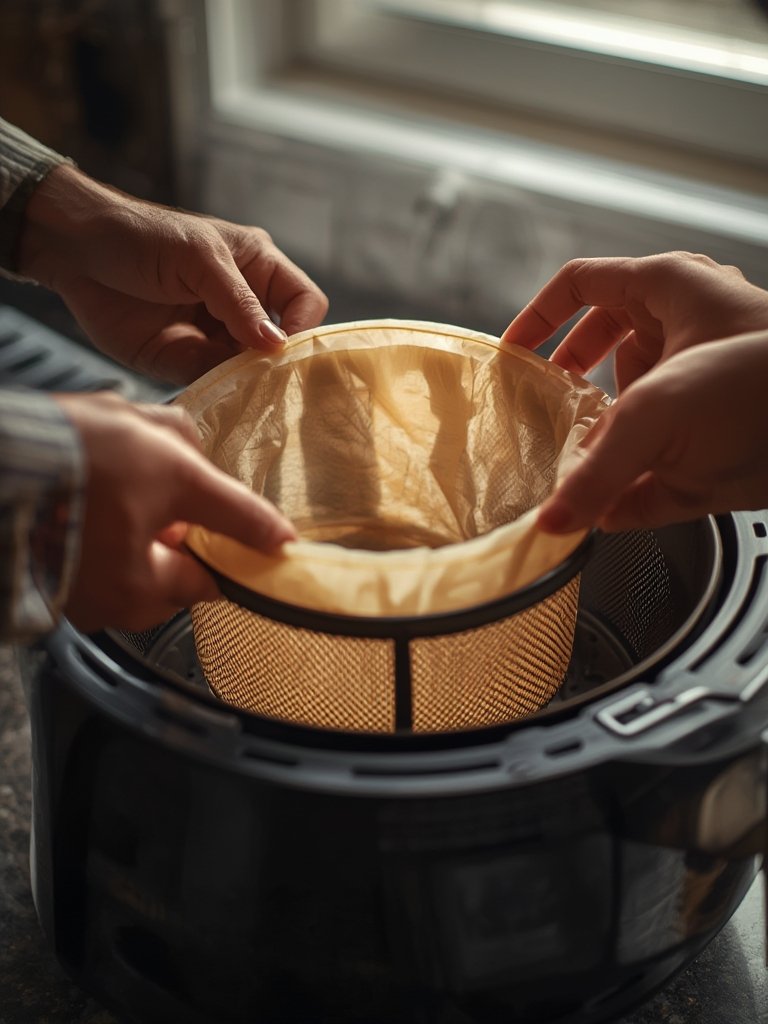
Set the Liner in the Basket After Preheating:
Place the liner flat in the basket after your air fryer is pre-heated. Make sure all sides lay flush—liners that fold or buckle can impede airflow and cause uneven cooking. Always weigh down the liner with food. -
Load Food Evenly:
Add food directly on top of the liner, spacing pieces out to ensure hot air can circulate. Don’t overload the basket—compressed food won’t crisp and the liner might warp. -
Cleanup and Disposal:
After cooking, let the air fryer cool before removing the liner. Paper liners can be tossed (some are compostable), but always check local recycling rules. Silicone liners should be washed in warm, soapy water or placed in the top rack of a dishwasher.
Most air fryer liners will dramatically cut cleaning time—especially for sticky proteins or breaded foods—but occasionally you’ll have to spot clean to get rid of trapped crumbs in basket mesh.
For a streamlined cooking station in a dorm or tight galley kitchen, using a compact air fryer and the right liner can save counter space and eliminate extra kitchen clutter.
Advanced Analysis & Common Pitfalls
While air fryer liners are straightforward, there are real pitfalls and technical limitations most buyers overlook. Here’s what the research and practical experience reveal.
- Liner Size and Fit: There’s no true industry standard for sizes, and search research found no consistent compatibility information for brands like Ninja, Cosori, or others. Ill-fitting liners may bunch up, block air flow, or cause undercooked food.
- Material Risks: Only silicone liners that are “food grade” and “BPA free” are recommended for repeat use, but there’s limited transparency around certifications or temperature ratings in most listings. If you use parchment or paper, stick to those clearly labeled as heat-resistant and non-toxic.
- Heat Tolerance and Safety: Placing a liner in an empty, preheating air fryer (with no food to weigh it down) is a common mistake and can cause the liner to burn or blow into the heating element.
- Cleanup Realities: Liners substantially reduce scrubbing but do not eliminate mess if baskets have cracks or mesh bottoms—crumbs can migrate around poorly fitting liners.
- Price and Value: Up-to-date research did not identify clear price ranges, but be cautious of excessively low-priced options from unfamiliar sellers. Quality silicone liners may cost more upfront but last for hundreds of cooking cycles.
| Type | Reusable? | Dominant Material | Estimated Market Share (2024) | Best For | Potential Downsides |
|---|---|---|---|---|---|
| Paper/Parchment Liners | No (Disposable) | Food-grade parchment | $380M–$1.2B | Quick cleanup, sticky foods | May curl, single-use waste, some reports of weak fit |
| Silicone Liners | Yes (Reusable) | Food-grade silicone | $410M–$712M | Frequent use, eco-friendly | Occasional chemical smell (if not BPA-free), requires washing |
For those living in apartments or with small kitchens, pairing a liner with a mini air fryer means true grab-and-go convenience but also makes it critical to choose the right-sized insert.
Convenience remains the main selling point, as liners are proven to simplify post-cooking cleanup (data source). However, detailed independent test data about exact time savings is still missing. Just don’t expect liners to replace good maintenance or make you immune to stuck-on mess if you overload your basket.
Conclusion
Choosing the right air fryer liner comes down to fit, material, and knowing the quirks of your own appliance. Liners, whether disposable or reusable, are cost-effective tools to reduce hassle and prolong the life of your portable or countertop air fryer. As the market expands, always double-check for “food grade” and “BPA-free” labels, opt for the size closest to your basket, and never preheat with an empty liner. Ready to streamline your cooking routine? Start experimenting with air fryer liners to experience faster cleanup and tastier results.
For more solutions that fit small apartments and busy schedules, browse our best portable air fryer reviews and get real-world cooking advice for compact kitchens.
Frequently Asked Questions
Can I put an air fryer liner in any air fryer?
Most air fryer liners are designed to fit standard round or square baskets, but always measure your basket and check the product listing before buying. A poorly fitting liner can block airflow or cause burning. Brands like Ninja and Cosori may need specific sizes.
Are silicone air fryer liners safe for high heat?
Quality silicone liners should be marked “food grade” and list a maximum temperature rating. Most withstand up to 450°F, but always verify the manufacturer’s details. If your liner emits an odor or shows signs of melting, discontinue use immediately.
How much time do air fryer liners save on cleanup?
While research confirms air fryer liners dramatically reduce post-cooking cleanup, exact minutes saved will vary based on food type and liner fit. Most users skip scrubbing baked-on grease, turning multi-step cleaning into a quick wipe-down.
Can you reuse disposable air fryer liners?
Disposable liners are single use by design. Reusing them can result in tearing, burn risk, or food safety issues. If you want reusability, invest in a high-quality silicone liner instead.
What’s the difference between parchment and silicone air fryer liners?
Parchment liners are disposable, absorb some grease, and are best for convenience but add waste. Silicone liners are reusable, eco-friendly, and offer excellent non-stick performance but require washing. Each has pros and cons for specific cooking scenarios.