

Ultrasonic cool mist humidifier use is booming for bedrooms and baby rooms, but how well do they actually work and what details do most reviews leave out? This realistic guide digs into what to expect, how to maintain them, and what pitfalls to avoid before you buy.
Key Takeaways
- Ultrasonic cool mist humidifiers are quiet (under 30 decibels) and energy efficient, making them popular for bedrooms and nurseries.
- Cleaning and mineral buildup are the most common real-world maintenance headaches—ignore them, and allergy relief may be compromised.
- No direct 2024 clinical proof for symptom relief, but rising demand is tied to increased allergies, dry skin, and respiratory concerns.
- Understanding Ultrasonic Cool Mist Humidifiers
- How To Use an Ultrasonic Cool Mist Humidifier: Step-by-Step
- Advanced Analysis & Common Pitfalls
- Conclusion
- Frequently Asked Questions
Understanding Ultrasonic Cool Mist Humidifiers
Ultrasonic cool mist humidifiers use high-frequency vibrations to turn water into a fine mist. They’re especially favored for bedrooms and baby rooms because of their nearly silent operation—scientific and market data repeatedly confirm noise levels below 30 decibels are standard, which is quieter than most refrigerators. These units help maintain comfortable humidity to reduce dry air symptoms like irritated sinuses, dry skin, or static electricity, particularly in drier climates and heated indoor spaces.

While market research and product reporting cite benefits like respiratory comfort and better sleep, there are no definitive 2024 clinical studies directly showing ultrasonic cool mist humidifier use provides symptom relief in bedrooms or nurseries. However, demand trends strongly correlate with concern over allergies, dry conditions, and respiratory health. Ultrasonic technology is chosen for its quietness, compact style, and energy efficiency—qualities also valuable to apartment dwellers and shared-space families. For those interested in optimizing indoor air on a broader scale, pairing with a HEPA air purifier can further benefit those sensitive to air quality.
How To Use an Ultrasonic Cool Mist Humidifier: Step-by-Step
- Bedroom-Sized Model: Pick an ultrasonic cool mist humidifier that matches your room’s square footage. Too small, and it won’t keep up; too big, and you risk over-humidifying.
- Place Properly: Set the unit on a raised, water-resistant surface at least 3 feet from your bed or crib, away from direct sunlight or heat vents. This ensures better mist dispersion and avoids concentrated dampness on furniture.
- Fill with Distilled Water: Using distilled or demineralized water minimizes white dust and mineral buildup—an especially critical step if you live in a hard-water area.
- Adjust Settings: Set mist output to low or medium for bedrooms, and use the timer if your model has one. Most ultrasonic units offer variable controls and night lights.
- Clean Regularly: Empty and rinse the tank daily. Do a deeper clean with a 1:1 vinegar-water mix at least once per week to prevent mold, bacteria, and limescale. Always follow your brand’s manual.
- Monitor Humidity: Use a small hygrometer in the room—it helps you keep humidity below 50% to prevent mold, dust mites, or musty smells.
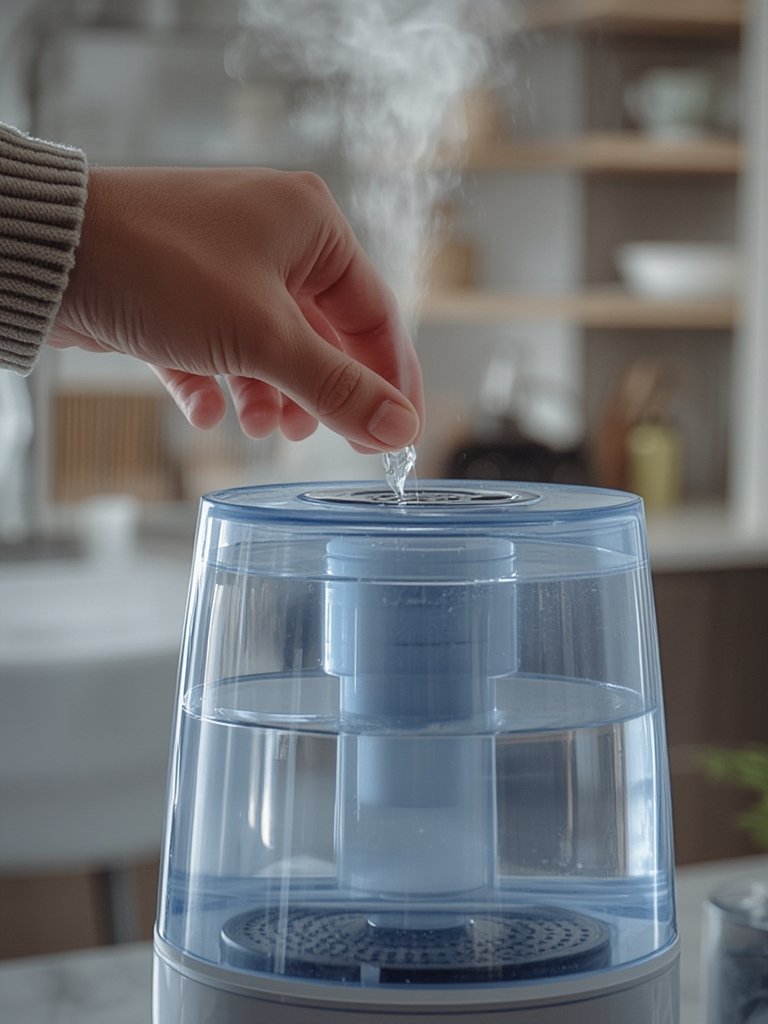
Remember, consistent cleaning and water changes matter more than any advanced filter or UV claim. Neglecting maintenance leads to mold, mineral scaling, and potential loss of allergy-relief benefits. For frustration-free use, seek out designs with broad tank openings and fewer crevices. Models like Levoit and Pure Enrichment are commonly praised for accessible cleaning.
Want hassle-free cleanup after other small appliances? See our no-scrub air fryer liners guide for easy kitchen maintenance ideas.
Advanced Analysis & Common Pitfalls
Even with great reviews and features, ultrasonic cool mist humidifiers have real downsides. Many shops and articles underplay or gloss over these.
| Problem | Why It Happens | How to Minimize |
|---|---|---|
| white dust | Using hard tap water releases mineral particles into the air | Switch to distilled water; clean tank regularly |
| Mold or Algae | Stagnant water in tank or base, especially with warm room temps | Daily emptying, weekly deep cleaning, antibacterial materials help |
| Cleaning Hassles | Narrow tank openings, awkward base shapes, complex parts | Look for wide-opening tanks and simple design |
| Durability Issues | Continuous use, low-cost mechanical parts, or mineral buildup | Don’t run tank dry; clean on schedule; consider product warranty |
According to market analysis, manufacturers are reacting to these pain points by using antimicrobial plastics and upgrading cleaning accessibility, yet real-world user reviews still often cite cleaning and white dust as main headaches. Warranties vary; most leading brands offer 1-2 years but always check.
When it comes to nighttime use, ultrasonic humidifiers have the edge for quietness. Data consistently puts them under 30 decibels, which is ideal for sleep—something few compact espresso machines or air conditioners can claim. Still, the long-term energy cost is low (around 23 watts for many models), and there’s no need for filter replacements unless your unit specifically calls for one. If you want to further improve air quality and keep costs down, consider plug-in solar power for your small appliances.
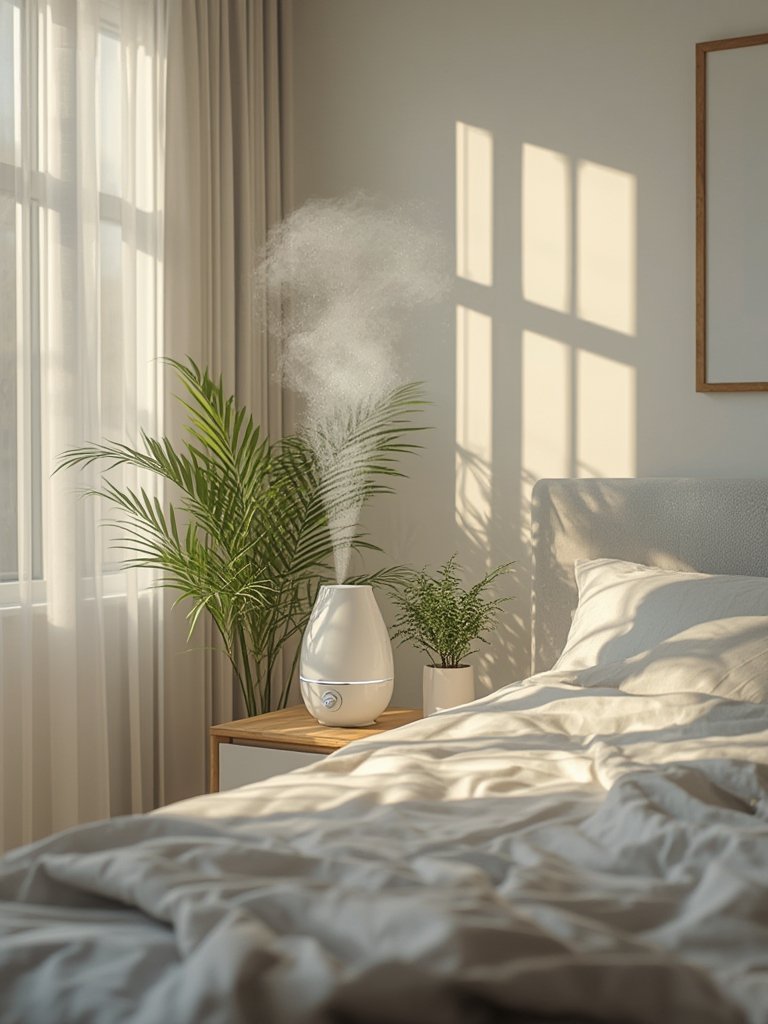
Finally, are ultrasonic cool mist units actually better for allergy or nighttime relief than evaporative or warm mist models? Direct clinical comparisons don’t exist as of 2024, but user buying habits in the US show ultrasonic models account for 38% of all humidifier purchases thanks to their low noise and efficiency. Evaporative models may be better for large spaces, while warm mist units can feel comforting in cool weather but use more energy and can be less safe in child environments.
Conclusion
Ultrasonic cool mist humidifiers offer practical, ultra-quiet, and efficient comfort in bedrooms and nurseries, especially when used and cleaned correctly. While there’s no absolute 2024 clinical proof confirming allergy or dry-air symptom relief, user demand is rising in step with widespread concerns about indoor air quality and respiratory comfort.
If you’re shopping for an ultrasonic cool mist humidifier, focus on ease of cleaning, tank capacity, and energy efficiency—not just price or decorative features. Want to optimize the rest of your smart-home setup? Check out the latest on portable air fryers for small spaces or explore multi cookers for meal prep. Ready to breathe easier? Find a model that fits your actual cleaning habits and room needs—don’t get seduced by flashy extras alone.
Frequently Asked Questions
Do ultrasonic cool mist humidifiers really help with allergies?
Humidifiers can help keep nasal passages and skin moist, which might reduce some allergy symptoms caused by dry air, but there’s no direct 2024 clinical proof for ultrasonic models. Cleaning is crucial; mold or mineral buildup can trigger other allergy issues.
Is it safe to use an ultrasonic humidifier overnight in a baby’s room?
Yes, if placed out of baby’s reach, maintained well, and set for auto shut-off. Models with noise below 30 dB are safe for sleep. Always use distilled water to avoid white dust or bacterial risk.
How often should I clean my ultrasonic cool mist humidifier?
Rinse with fresh water daily and deep clean with a vinegar or hydrogen peroxide solution at least once weekly. Neglecting cleaning risks mold, bacteria, and reduced performance.
Why does my humidifier leave white dust everywhere?
This is caused by minerals in hard tap water. Ultrasonic units don’t filter them out—instead, switch to distilled water to prevent the dust from collecting on surfaces.
What features matter most when buying a cool mist humidifier for the bedroom?
Look for noise ratings (under 30 dB is ideal), tank size suited to your room, auto shut-off, easy-to-clean design, and if you prefer, extras like night light or aroma options. Avoid unnecessary complexity if you want truly low maintenance.