

nitrided carbon steel pan is quickly becoming a favorite for home cooks and professionals who want the heat response of carbon steel without the hassle of constant seasoning and rust. This guide unpacks what makes these pans unique, why you might consider owning one, and exactly how to care for them—so you can cook smarter, not harder.
Key Takeaways
- Nitrided carbon steel pans are up to 22% harder than standard carbon steel, delivering better scratch and rust resistance right out of the box.
- These pans require less seasoning and maintenance compared to classic carbon steel, but there are still key care steps for optimal performance.
- Heating speed is dramatically faster than cast iron, making nitrided carbon steel ideal for quick stovetop cooking, including on induction ranges.
- What Makes a Nitrided Carbon Steel Pan Different?
- How to Season and Care for a Nitrided Carbon Steel Pan
- Pitfalls, Limitations, and Real-World Comparisons
- Conclusion
- Frequently Asked Questions
What Makes a Nitrided Carbon Steel Pan Different?
Nitrided carbon steel pans start with traditional carbon steel (99% iron, 1% carbon), but undergo a special heat and nitrogen treatment. This process transforms the pan’s cooking surface, creating a pan that’s harder, more corrosion-resistant, and more non-stick than regular steel.
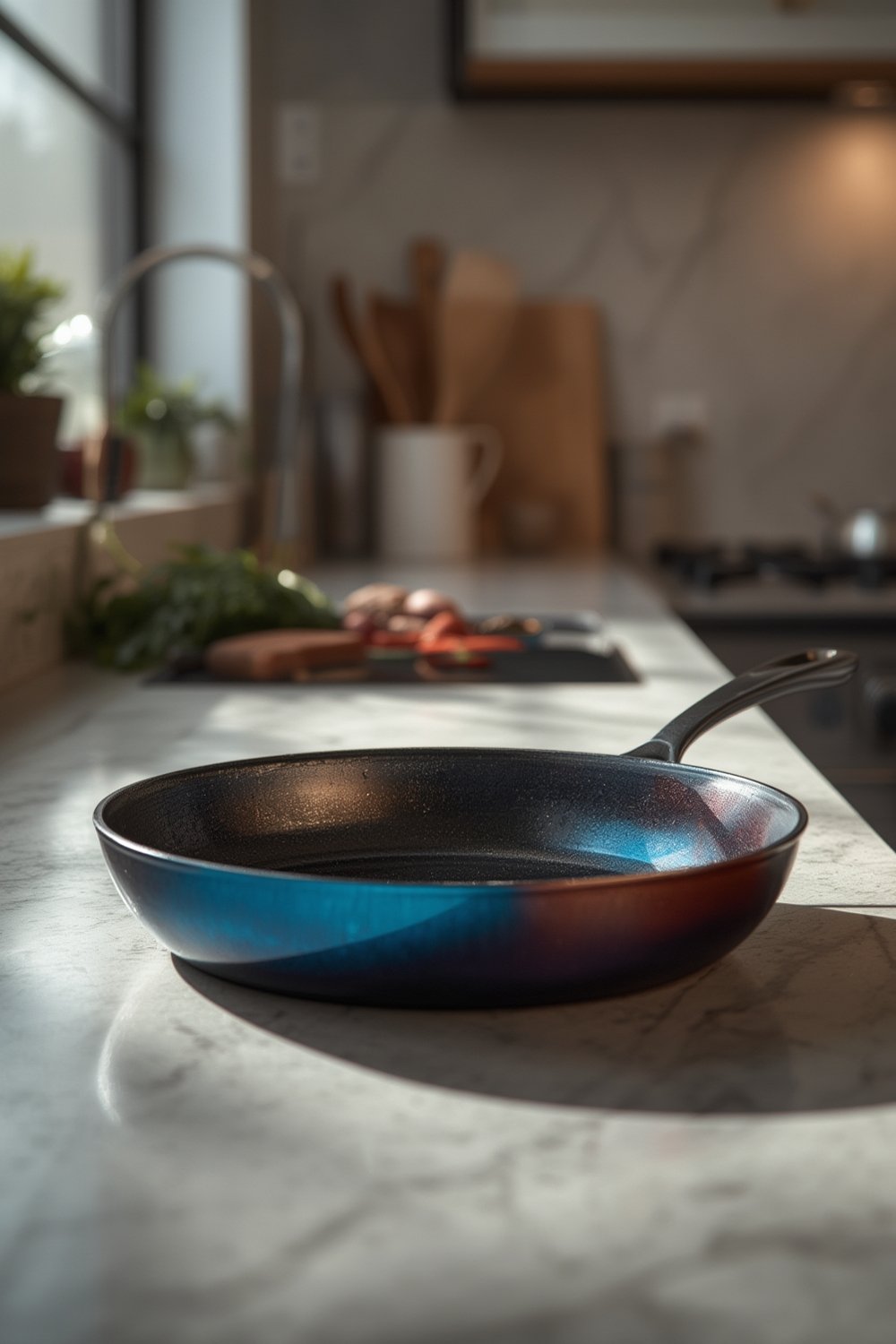
Brands like KitchenAid use a NITRO process that makes their pans 22% harder compared to normal carbon steel. The big results for you:
- Better resistance to scratches, so you can use metal utensils confidently.
- No messy coatings that can peel or flake.
- Surface is nearly non-stick from the first use, requiring much less seasoning than both classic carbon steel and typical cast iron.
Unlike cast iron (which contains more carbon and is typically thicker and heavier), a nitrided carbon steel pan is thinner, lighter, and far quicker to heat or cool. It also handles all your kitchen heat sources—including gas, electric, and induction. For modern apartment cooking or fast-paced weeknight meals, this pan adapts to your needs without fuss.
If you’re furnishing a small kitchen or cooking in an apartment, you might also want to look at tools that give similar convenience, like a compact air fryer or small espresso machine for apartments.
How to Season and Care for a Nitrided Carbon Steel Pan
One of the main appeals of a nitrided carbon steel pan is the easier seasoning process. Traditional carbon steel can require multiple rounds of oiling and baking before food stops sticking—and any slip-up with moisture can lead to rust. Thanks to its hardened and sealed surface, a nitrided pan gets semi-nonstick from the very first use, reducing seasoning headaches.
Step-by-Step Maintenance Guide
- Initial Wash (One-Time Only): Use hot water (no soap!) and a soft sponge to remove any factory residue. Dry immediately to avoid spotting.
- First Seasoning: Rub a thin layer of high-smoke-point oil (like grapeseed or flaxseed) over the surface. Heat on stovetop until it just starts to smoke. Let cool and wipe with a paper towel.
- Regular Use: Cook with a modest amount of oil or fat. Avoid cooking acidic foods (like tomatoes) the first few times to help build the patina.
- Cleaning After Cooking: When cool, wipe out debris using a towel or non-abrasive sponge and warm water. No soaking, and avoid dishwashers entirely.
- Stubborn Residue: For stuck-on bits, boil a little water in the pan, scrape gently with a spatula, then dry and reapply a hint of oil.
- Long-Term Storage: Always dry completely. A very thin film of oil wiped with a paper towel before storing is smart in humid climates.
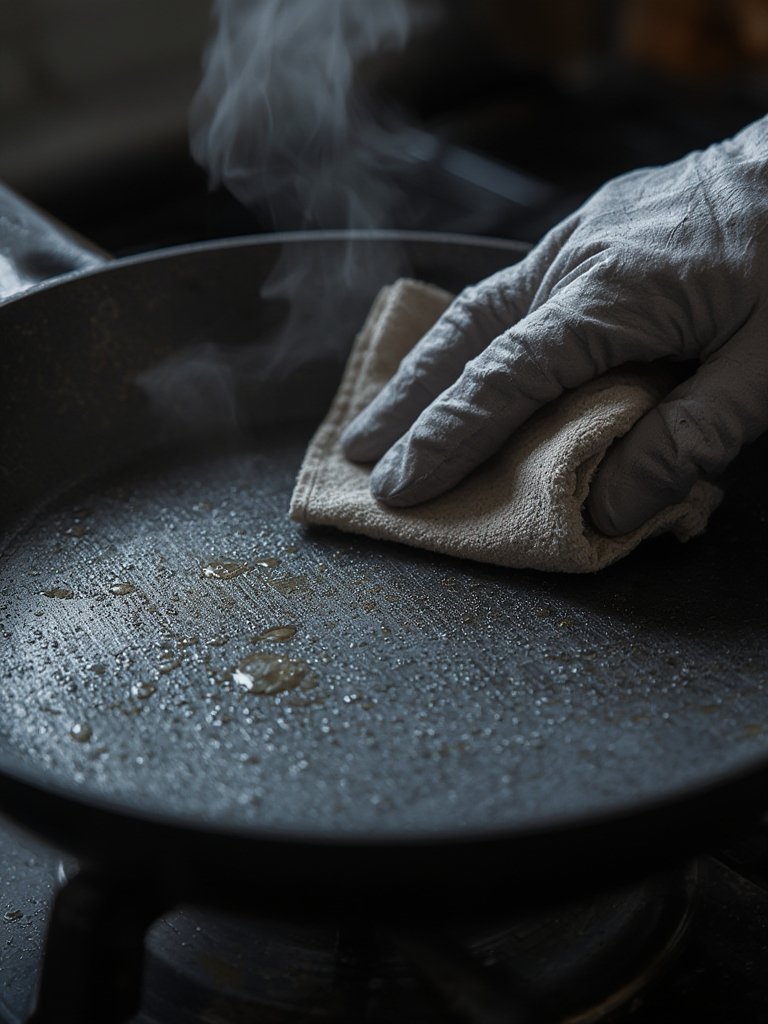
Seasoning & Maintenance Shortcuts
- Nitrided pans are highly scratch resistant—you can confidently use steel spatulas, though sharp knives are still a no-no.
- Unlike standard carbon steel, the nitrided finish means you rarely have to do full reseasoning after each use—just a wipe and go.
- If you want faster cleanup with fried foods or eggs, see our guide to using disposable air fryer liners as splatter guards in your prep area.
Following these steps will keep your nitrided carbon steel pan performing like new for years, even in busy kitchens or shared apartment spaces.
Pitfalls, Limitations, and Real-World Comparisons
While nitrided carbon steel pans solve many complaints that plague classic steel and cast iron cookware, they’re not perfect. Consider these challenges before you buy:
Potential Drawbacks
- Price: As of 2024, price data is limited, but nitrided carbon steel tends to cost more than standard carbon steel due to the additional processing. You’ll pay for durability and convenience, so factor that into your kitchen budget.
- Non-stick vs. Teflon: Even with nitrided treatment, these pans aren’t as slick as PTFE nonstick coatings. Eggs and pancakes may still need a little more oil, especially if you skip the initial seasoning.
- Reactive Surface: While more resistant than basic carbon steel, nitrided pans can still slightly react with acidic foods, especially if the surface is scratched.
- Learning Curve: Fast heat response means you can burn foods or warp the pan if preheated too long on high.
| Feature | Nitrided Carbon Steel | Standard Carbon Steel | Cast Iron |
|---|---|---|---|
| Hardness | 22% harder (NITRO process) [source] |
Standard | Very hard, but brittle |
| Rust Resistance | High (hardened & sealed) | Low (must keep seasoned dry) | Moderate (seasoning critical) |
| Ease of Seasoning | Very easy, semi-nonstick from start | Requires several rounds | Requires multiple rounds |
| Handles Metal Utensils | Yes | Usually yes, but scratches more easily | Yes, but can lose seasoning |
| Induction Compatible | Yes [source] |
Yes | Yes |
| Heating Speed | Very fast [source] |
Fast | Slow |
| Weight | Light | Light | Heavy |
| Best For | Stir-fry, searing, quick meals | Everyday stovetop, budget | Slow-cooked dishes, heat retention |
Still unsure which style fits your setup? Multi-purpose cooks sometimes combine a nitrided carbon steel pan for day-to-day use (especially on induction cooktops), and a multi cooker for hands-off meals.
Conclusion
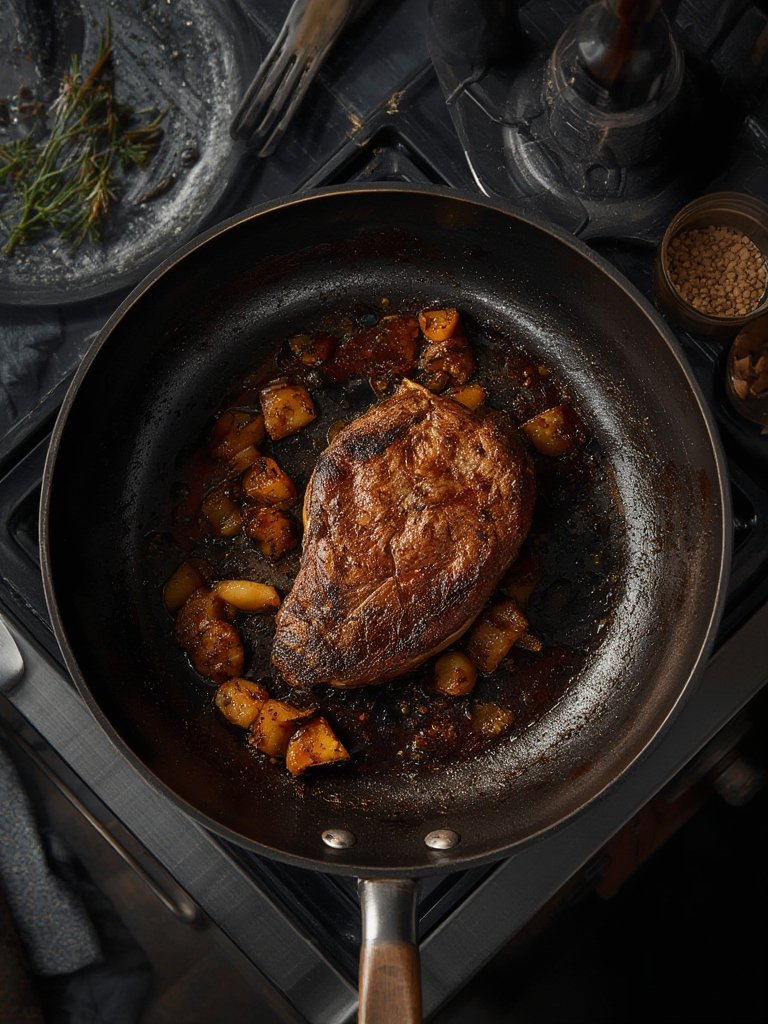
A nitrided carbon steel pan offers a compelling mix of fast heating, genuine durability, and reduced fuss compared to classic steel and cast iron alternatives. It excels for busy home cooks, those with induction ranges, and anyone who hates constant re-seasoning. The pan isn’t fully nonstick and you may pay a premium, but for most real-world kitchens it strikes the right balance between performance and convenience. If you want restaurant-style browning in your home or a single pan that just works day after day, a nitrided carbon steel pan deserves a spot in your arsenal.
Want to upgrade other small-kitchen essentials? See our reviews of portable air fryers, foldable sauna boxes, or bedroom HEPA air purifiers for simple ways to elevate your everyday routine.
Ready to experience the difference? Explore nitrided carbon steel pans online or in local kitchen stores to see if one fits your cooking style.
Frequently Asked Questions
Does a nitrided carbon steel pan need to be seasoned?
While not as intensive as classic carbon steel, a quick initial seasoning helps improve non-stick properties and flavor. Over time, a patina still develops with regular use.
Can I put my nitrided carbon steel pan in the dishwasher?
No, avoid dishwashers entirely. Hand wash with warm water and a sponge, then dry promptly. The high heat and harsh detergents can damage the protective layer.
Is nitrided carbon steel suitable for induction cooktops?
Yes, it works on induction as well as gas and electric. Carbon steel is naturally magnetic, so it’s well suited for induction ranges.
Will acidic foods (like tomatoes) damage my nitrided carbon steel pan?
Short, occasional cooks are fine but frequent acidic use can affect the surface, especially if it hasn’t built a strong patina. Stick to neutral or alkaline foods early on for best results.
Why is my new nitrided carbon steel pan more expensive than regular carbon steel?
The extra expense covers the advanced nitriding process, which delivers higher hardness and better corrosion and scratch protection than standard carbon steel.