

Plug in solar systems are rapidly changing how people power their homes, letting you generate your own electricity by simply plugging a balcony or patio solar kit into a wall socket.
Key Takeaways
- Plug in solar is surging in Europe and poised for growth in the US, empowering renters and homeowners to cut energy bills with minimal installation.
- Legal status and safety standards are evolving; buyers should check local rules and ensure grid-compatible setups for safety.
- ROI can be under five years for budget-friendly systems, but real-world output depends on placement and local electricity rates.
- What Is Plug In Solar and Why Is It Growing?
- How to Safely Set Up Plug In Solar (Step-by-Step)
- Advanced Insights & Common Pitfalls with Plug In Solar
- Conclusion
- Frequently Asked Questions about Plug In Solar
What Is Plug In Solar and Why Is It Growing?
Plug in solar, also known as plug-and-play or balcony solar, is a small-scale solar system you can set up yourself—anywhere you have access to sunlight and a safe, grounded outlet. You get one or two solar panels, connect them to a microinverter, and plug the inverter right into your outdoor or indoor socket. The generated power feeds directly into your home’s grid, offsetting what you draw from your utility company.
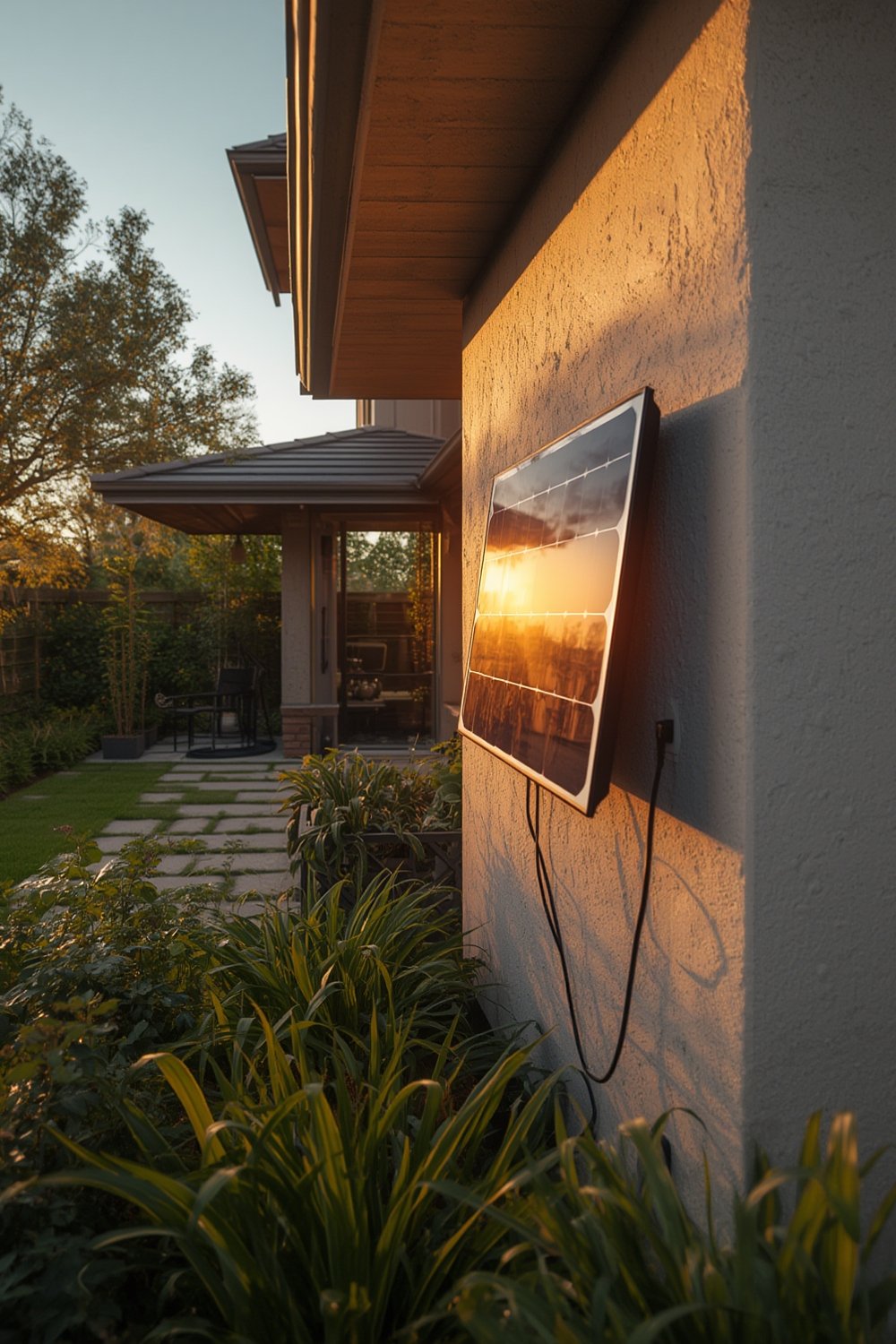
This approach exploded in Germany in 2024: there were about 780,000 registered plug in solar units—mainly balcony power plants—by the end of the year, potentially as many as 4 million when counting unregistered systems. [1] Germany’s reforms (800W inverter limit, simplified rules) made it easy, even for renters. Across Europe, over 4 million households now use these systems.
In the US, large-scale adoption is still rare. Plug in solar could reach more than 60 million Americans if upcoming regulatory changes clear the way. [2] Utah now allows plug-and-play panels, and bills are moving forward in New York. But most US states still lack explicit legal status or clear permitting guidance.
The main appeal: no need for pro installation, easy relocation (ideal if you rent or move), low up-front costs, and real energy savings—sometimes covering up to 25% of a typical apartment or home’s electricity use.
If you enjoy other home efficiency solutions—like portable air fryers or compact espresso machines—plug in solar fits the same ethos: DIY, flexible, space-smart.
How to Safely Set Up Plug In Solar (Step-by-Step)
Ready to try plug in solar? Follow these practical steps for a safe, compliant installation that actually cuts your utility bills:
- Check local regulations first. In the US, verify if your city or state explicitly allows plug and play solar (Utah: legal; New York: pending). In the EU, most countries now allow it, but inverter output limits and socket safety rules vary.
- Choose appropriately sized equipment. For apartments, a typical kit is one or two panels (400–800W). Verify the microinverter is rated for home use and grid compliant (800W max in Germany as of 2024).
- Pick a prime installation spot. Balconies facing south or west, rooftops, or outside walls with minimal shade work best. Panels should be angled toward the sun for peak efficiency. For renters: ask your landlord if hardware or visible changes require permission.
- Mount securely for wind/weather. Use all safety brackets provided. On balconies, dual mounting (to floor and railing) prevents panels from being dislodged by wind gusts or heavy storms.
- Plug ONLY into a grounded outlet. Never use extension cords or daisy chains. If you’re not sure about wiring/grounding, consult a qualified electrician—even DIY systems need safe basic wiring.
- Register if required. In some regions, registering your system is mandatory for safety and compliance—even for small plug in solar kits.
- Monitor output and savings. Many kits include WiFi app monitoring. Track performance and optimize placement if output is low.

If you’re interested in more ways to optimize small home spaces with minimal installation, check out our guides on air fryer liners or the foldable sauna box.
Advanced Insights & Common Pitfalls with Plug In Solar
Despite their promise, plug in solar systems come with unique technical challenges and drawbacks—especially compared to traditional rooftop installations or larger systems. Here’s what the data shows:
| Aspect | Plug In Solar (DIY Kits) | Traditional Rooftop Solar |
|---|---|---|
| Typical Output | 400–800W (1–2 panels, up to 2kWp if inverter ≤800W) | 3–10kW+ (10–30+ panels, large inverter) |
| Installation | DIY, plug into grounded outlet, minimal tools | Professional install, permits, roof penetrations required |
| Grid Connection | Simple, uses home sockets; regulations vary by country | Dedicated connection, inverter wiring into breaker box |
| Weather Resistance | Depends on mounting location and method; bracket safety is crucial | Engineered for roof durability; pro waterproofing |
| Cost Range (2024, EU) | €200–400 for 400–800W; up to €1,500 w/ battery | €5,000–12,000 typical; subsidies available in some regions |
| ROI Timeline | 2–6 years (often <5 years in Germany) | 7–12 years, depends on up-front cost |
| Best Fit | Renters, small homes, balconies, patios | Homeowners with roof access and higher electricity use |
| Safety and Legal | DIY, but follow socket grounding and inverter rules; evolving laws | Certified pro install, permits, insurance required |
Common Pitfalls to Avoid
- Poor Panel Placement: North-facing balconies or shaded locations drastically cut output. Panels work best in full sun, angled 30–40° south in the Northern Hemisphere.
- Socket Overload: Plug only into a grounded, outdoor-rated outlet. Never share with energy-hungry appliances. Avoid cheap extension cords.
- Lack of Registration: Some countries (e.g., Germany) require you to register the system, even for plug and play kits. Unregistered units may violate insurance or grid rules.
- Weather Damage: Inadequate mounting risks wind damage or even injury. Use only certified brackets and check for corrosion or loose fittings every season.
- Legal Ambiguity (US): Only a few US states have legalized plug in solar. Before purchase, check city and state law—otherwise, you risk being forced to remove your setup.
- Output Expectations: Plug in solar only offsets a portion (often under 25%) of a standard household’s needs. It isn’t a full substitute for grid or rooftop solar.
- Device Compatibility: Some microinverters work only with pure sine wave grid supplies. Old wiring or modified sine wave inverters can cause tripping or shutdowns.
So far, no widespread device failures or critical safety incidents have been publicly reported on major platforms. But as regulatory clarity catches up, buyer beware still applies—especially in the US. [3]
Plug in solar is ideal if you want a lightweight, DIY power solution for smart spaces, much like a multicooker streamlines your kitchen. But recognize its technical and legal limitations before you buy.
Conclusion
Plug in solar gives anyone—especially renters and apartment dwellers—the power to generate clean electricity with a simple, socket-based system. While these kits are growing rapidly in Europe and arriving in the US, users must weigh ROI, local legal status, and practical limitations before buying. If maximum DIY savings and flexibility matter most, plug in solar is worth considering. Ready to cut your bills and try plug in solar? Research your local laws, choose a safe kit, and start generating power on your own terms.
Frequently Asked Questions about Plug In Solar
Is plug in solar legal everywhere in the US?
No. As of 2024, only Utah has passed a statewide law explicitly allowing plug and play solar, and New York’s bill is pending. Most of the US still lacks clear legal pathways. Always check your state and local rules before installing.
Does plug in solar require professional installation?
No. The main appeal is DIY setup—simply mount the panels securely and plug the inverter into a grounded outlet. However, you should follow all safety guidelines, and check if landlord approval or system registration is needed where you live.
How much money can I actually save?
Savings vary by system size, placement, and local electricity prices. In much of Europe, a well-placed 800W system pays off in as little as three to six years. In less sunny or high-cost regions, ROI stretches longer.
Can plug in solar cover my whole home’s energy use?
Typically not. Most plug in solar kits are designed to offset around 10–25% of typical household usage. For full off-grid capability or deep cuts to your bill, consider larger rooftop or community solar options.
Are there any hidden downsides or risks?
Yes—main risks are poor placement (leads to low output), socket safety issues, and unclear legal status (especially in the US). Always use certified gear, follow mounting instructions, and check the latest regulations.